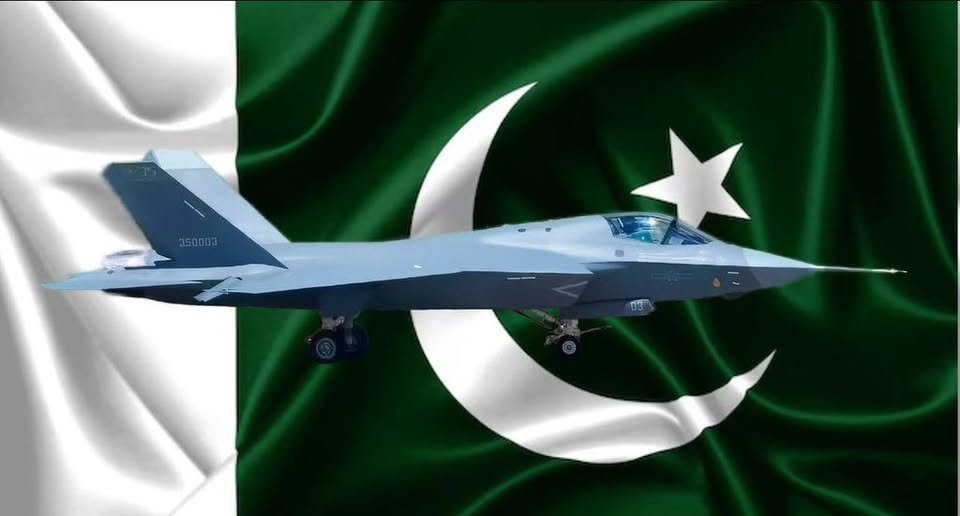
Pakistan has deployed around 8,000 troops, fighter jets, drones, and an air defence system to Saudi Arabia under a bilateral defence agreement, marking a significant expansion of military cooperation between the two countries.
According to security and government sources, the deployment includes a squadron of approximately 16 JF-17 fighter aircraft, sent in early April, along with two drone squadrons and a Chinese-made HQ-9 air defence system. The assets are reportedly operated by Pakistani personnel and financed by Saudi Arabia.
Officials said the force is combat-ready and intended to support Saudi Arabia’s defence posture in the event of external threats, while also carrying out advisory and training roles alongside Saudi forces.
The deployment forms part of a confidential defence pact signed last year between Pakistan and Saudi Arabia, which includes mutual defence commitments in case either country comes under attack. Defence Minister Khawaja Asif has previously suggested the arrangement could extend Pakistan’s deterrence umbrella to Saudi Arabia.
Sources said the new deployment adds to thousands of Pakistani troops already stationed in the kingdom under earlier agreements. One official familiar with the pact claimed it allows for potential expansion of Pakistani troop presence up to 80,000 personnel for joint border defence support.
Some officials also indicated that naval assets may be included under the broader framework, although no confirmation has been made regarding deployment of warships.
The scale of the deployment—covering ground forces, air assets, drones, and air defence systems—reflects a deeper operational defence partnership rather than a limited or symbolic presence, according to the sources.
Earlier reporting indicated Pakistani aircraft were previously deployed to Saudi Arabia following regional strikes on energy infrastructure, before Islamabad took on a more active diplomatic role in regional mediation efforts.
Pakistan and Saudi Arabia maintain long-standing defence ties, with Islamabad providing training and advisory support, while Riyadh has periodically supported Pakistan during economic crises.