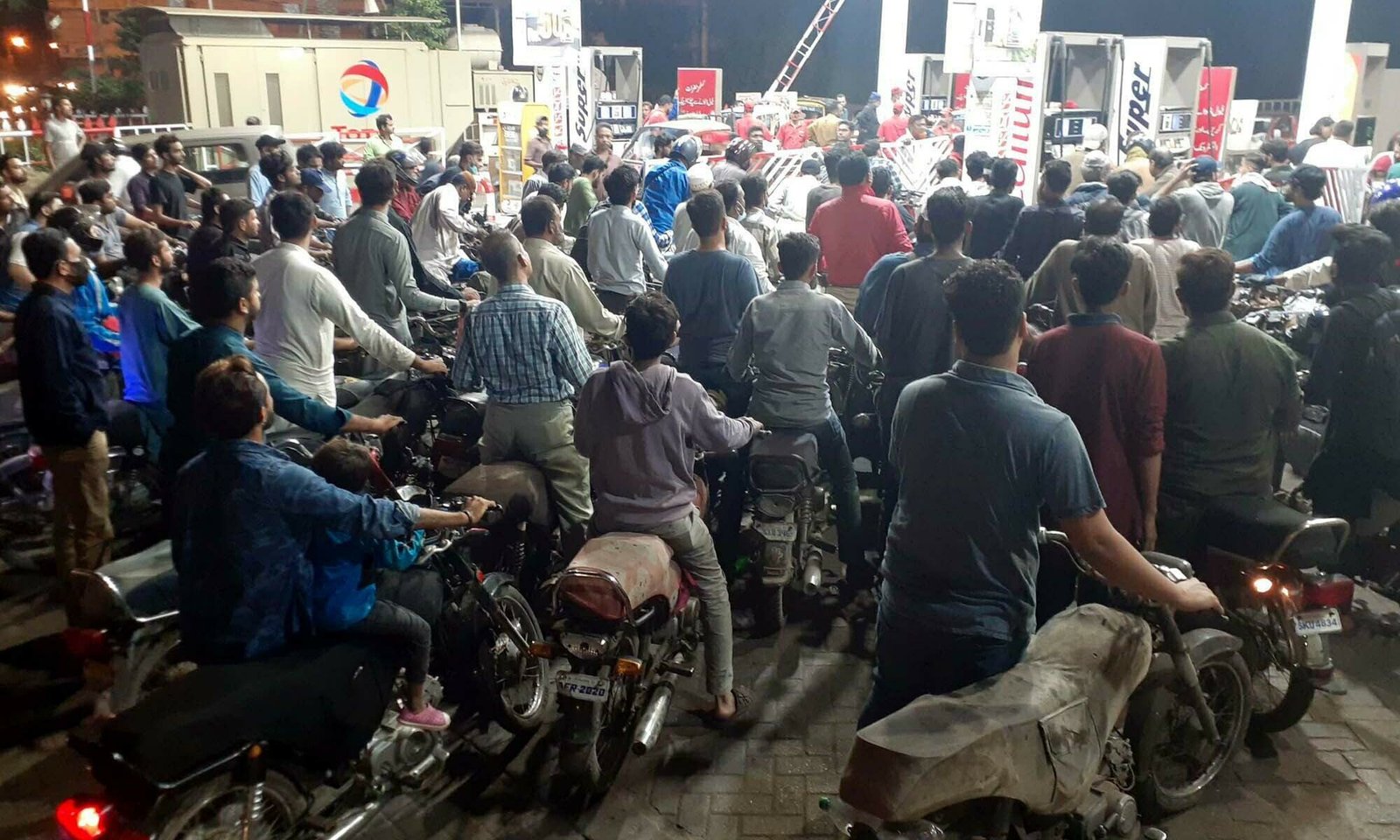
Officials have told a Senate committee that the recent surge in petrol prices is not a direct result of government policy decisions, but primarily due to the imposition of a Rs117 per litre petroleum levy.
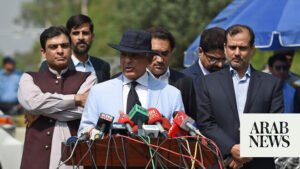
During a meeting of the Senate Standing Committee on Petroleum, Petroleum Minister Ali Pervaiz Malik and officials from the Petroleum Division briefed lawmakers on fuel pricing, import costs, and national stock levels.
Committee member Saifullah Abro questioned the sharp increase in petrol and diesel prices after late February, asking about stock positions at that time and the reasons behind the sudden price jump.
Officials responded that global oil markets saw a significant rise after March 1, with diesel prices reaching up to $285 per barrel and petrol climbing to around $150 per barrel. They added that Pakistan currently holds around 30 days of petrol reserves and 27 days of diesel stocks.
The Petroleum Minister said the government had to purchase fuel at higher international prices to ensure supply stability and maintain inventory levels. He also noted that Pakistan does not maintain strategic petroleum reserves, and stocks are held by private oil marketing companies.
Responding to concerns over pricing transparency, the minister assured the committee that data from all companies would be shared and confirmed that the Federal Investigation Agency is also reviewing the matter.
Committee members also called for a full audit of all oil marketing companies. The minister agreed, stating that audits of all 42 companies would be carried out.
Officials reiterated that the Rs117 per litre petroleum levy remains a key factor contributing to the overall increase in petrol prices.