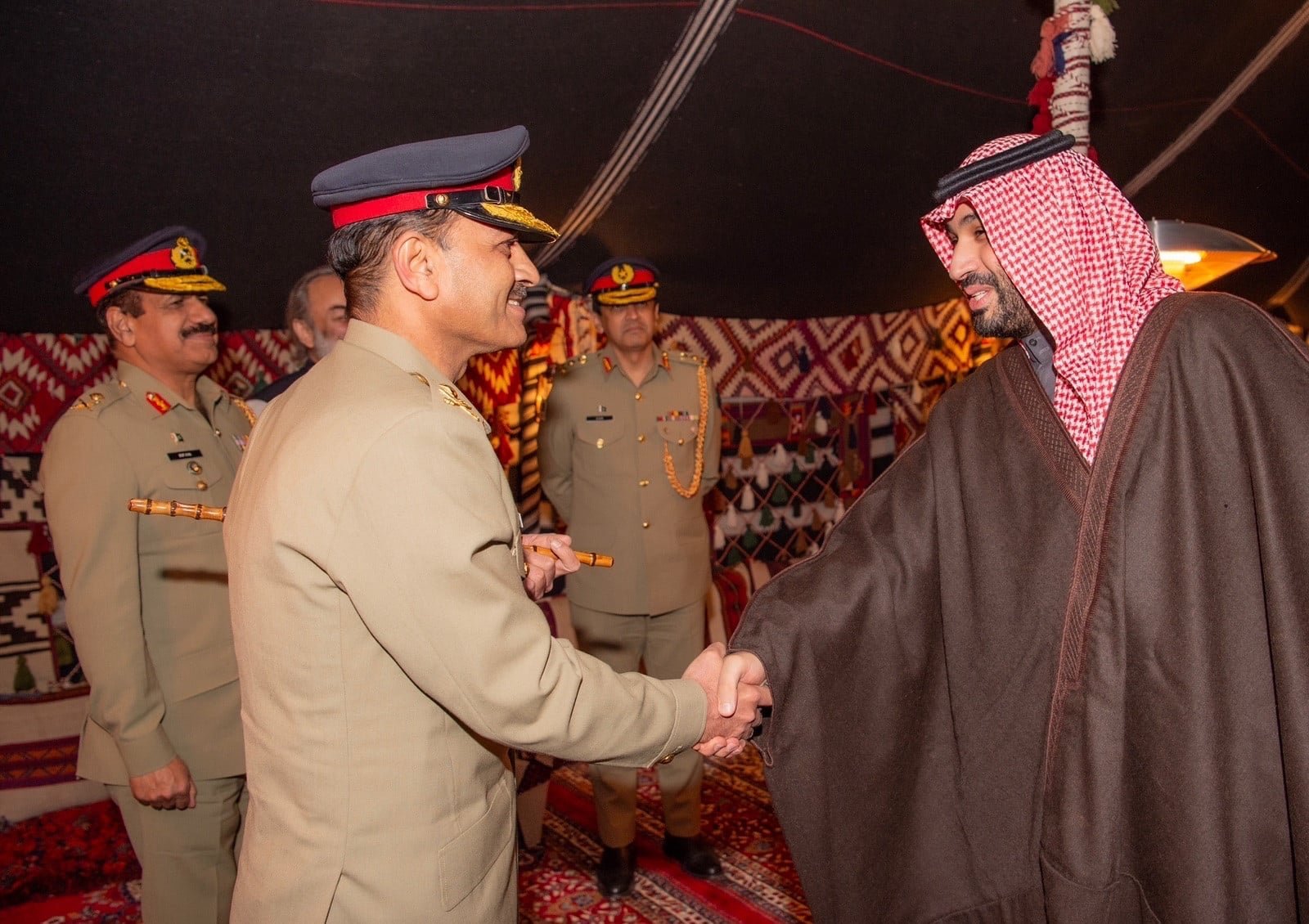
Pakistan has enough wars and security challenges of its own. It should therefore think very carefully before allowing its defense commitments with Saudi Arabia to draw it deeper into the Yemen war.
We Pakistanis like our nuclear power status, our global stature and the US dollars in our foreign exchange reserves. But regional defense pacts come with liabilities too, and those liabilities can hurt us in more ways than one.
Saudi Arabia is a strategic partner, and attacks threatening the Kingdom or the Holy sites cannot simply be ignored. Pakistan has already made its position clear by backing Saudi Arabia’s sovereignty and security.
But supporting Saudi Arabia’s security is not the same as becoming a party to every military war involving the Kingdom.
That distinction matters as tensions involving Saudi Arabia and the Houthis continue to raise questions about the role Pakistan could eventually be expected to play under the Makkah Joint Defence Agreement.
The agreement has been presented as a collective security arrangement under which an armed attack on one member is treated as an attack on all three members, including Pakistan, Saudi Arabia and Turkey.
Cold Head
This is where Islamabad needs to keep a cold head.
Pakistan has legitimate interests in Saudi Arabia’s stability. Energy security matters, and the Kingdom remains important to global oil supplies. The Red Sea and Bab el-Mandeb are also vital routes for international trade and energy shipments.
A wider regional war would therefore create serious economic risks for Pakistan, including higher oil prices, rising freight costs and additional inflationary pressure.
That does not automatically mean Pakistan should become involved in offensive military operations in Yemen.
There are several ways Islamabad can protect its interests without turning Yemen into another Pakistani battlefield. Defensive deployments, air defense, intelligence cooperation, maritime security and logistical support can all serve strategic objectives without necessarily putting Pakistani forces into direct combat.
Pakistan already faces terrorism, economic pressure, border tensions and serious internal security challenges. Adding another battlefield would carry costs that extend well beyond military operations.
The Makkah Defence Agreement could strengthen deterrence if its commitments are clearly understood and carefully managed. But ambiguity over what each member is expected to do during a regional war could create a very different kind of risk.
Pakistan can stand by Saudi Arabia while also protecting its own national interests.
Supporting an ally is one thing. Becoming directly involved in an ally’s war is another.
Islamabad should keep that distinction clear before circumstances on the ground make the decision for it.