



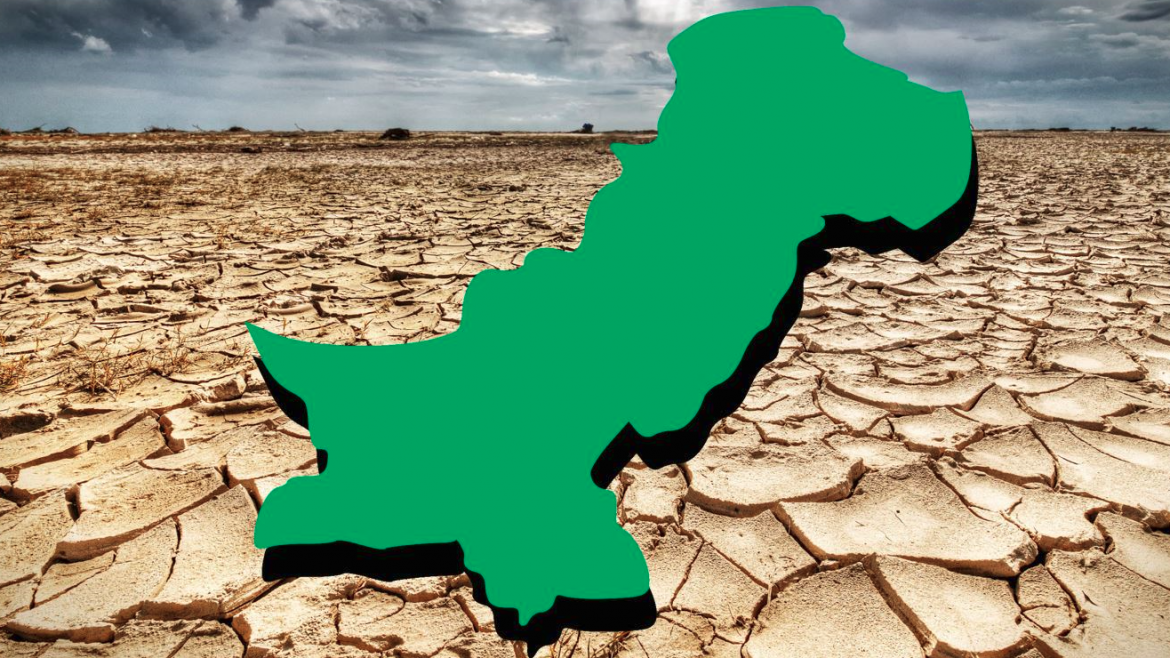
Pakistan is among the countries worst affected by climate change, with floods, landslides, smog and other disasters putting additional pressure on its limited economic resources, Prime Minister Shehbaz Sharif said on October 8.
In a message marking the 21st National Day of Resilience, the prime minister paid tribute to those who lost their lives in the October 8, 2005 earthquake and recalled the courage, compassion and sacrifices shown by Pakistanis in its aftermath.
Sharif said Pakistan continued to face a range of natural and public emergencies, including floods, earthquakes, landslides, epidemics and smog, despite having limited resources.
He said the country had repeatedly shown resilience in dealing with disasters and remained focused on strengthening its preparedness and response capabilities.
The government is working to improve coordination between provincial governments, public institutions, the private sector and civil society to ensure more effective responses to natural disasters.
Sharif also acknowledged the role of disaster management agencies, rescue services and the armed forces in emergency response, saying public solidarity and support remained a key part of Pakistan’s national character.
He said the government was using the National Disaster Management Authority (NDMA) to bring modern technology into disaster response systems. This includes strengthening early warning mechanisms through reliable data and analysis to improve preparedness and response.