





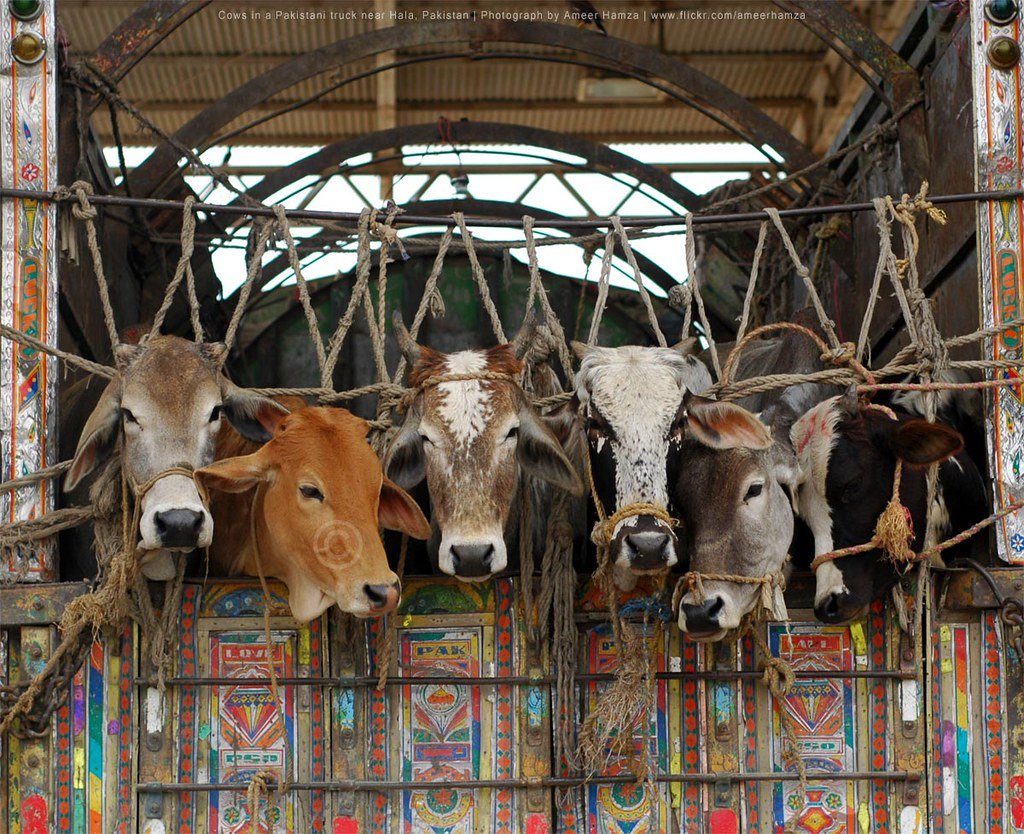
Pakistan’s livestock sector has emerged as the dominant force in agriculture, contributing 62.4 percent of total agricultural value addition and 14.6 percent of national GDP in FY2026, according to the Pakistan Economic Survey 2025–26.
The sector grew by 3.75 percent during the year, outperforming overall agriculture growth of 2.89 percent and sharply exceeding crop sector growth of 1.44 percent. Officials say livestock has now become the backbone of rural income generation, supporting over 8 million farming households and contributing up to 40 percent of rural family earnings.
Gross value addition from livestock rose to Rs6,229 billion in FY2026, up from Rs6,004 billion in the previous year, reflecting steady expansion despite challenges such as disease risks and feed constraints.
Animal populations continued to increase across all major categories. Cattle reached 61.96 million, buffaloes 49.1 million, goats 91.8 million, and sheep 33.5 million, with goats remaining the largest livestock segment in the country.
Higher animal numbers translated into stronger output. Milk production increased to 74.7 million tonnes, while milk available for human consumption rose to 60.2 million tonnes. Meat output climbed to 6.31 million tonnes, and poultry meat reached 2.83 million tonnes. Egg production also increased to 28.3 billion units.
The government is now positioning livestock as a key export-driven growth engine. Meat exports have risen from $196 million in 2015 to about $427 million in 2024, crossing $500 million in FY2025.
Authorities are targeting $700 million in meat exports by 2028 under a new livestock transformation strategy, which aims for around 6 percent annual sector growth. A National Meat Transformation and Export Council has been formed under the Prime Minister to oversee reforms.
Policy efforts are focused on improving breeding quality, expanding feedlot farming, strengthening disease control systems, and upgrading cold chain infrastructure. Disease-free zones are also being developed for export compliance in line with international standards.
Additional initiatives include embryo transfer technology, artificial insemination expansion, import of high-yield breeds, and a Rs7.35 billion national programme for animal disease surveillance and traceability.
Pakistan is also actively expanding export access to markets including China, Saudi Arabia, UAE, Malaysia, Russia, and others, with new approvals for slaughterhouse registration and special export facilities such as a Gwadar Free Zone plant for donkey meat exports.
The Economic Survey indicates that while crops remain important for food security, livestock has now become the main driver of agricultural growth and a central pillar of Pakistan’s rural economy and future export strategy.




