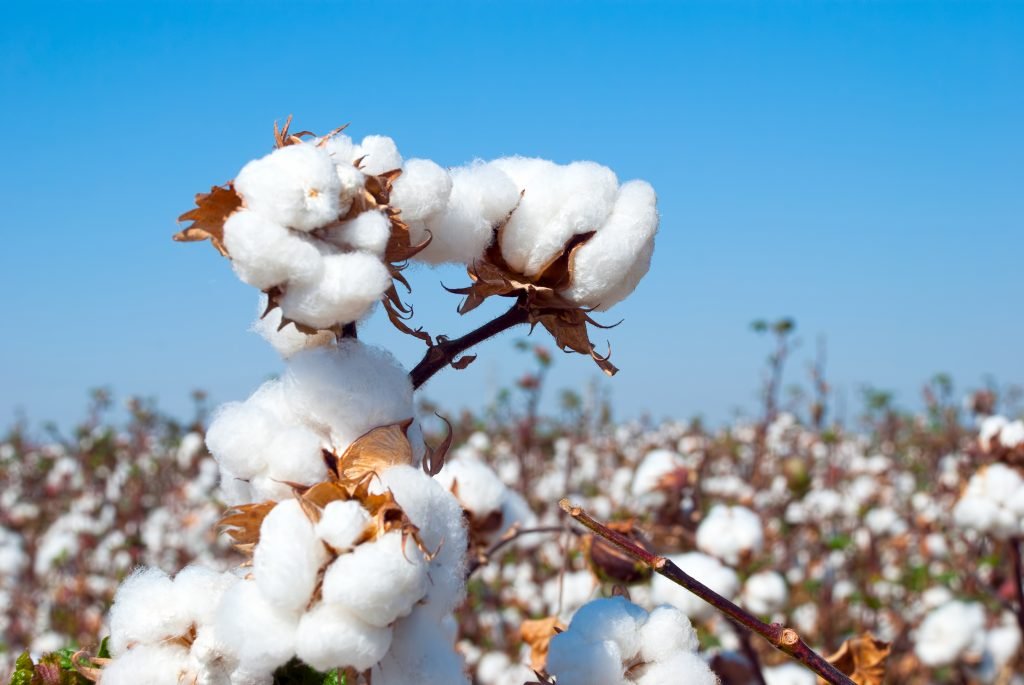
Pakistan’s textile industry has started importing large volumes of cotton from the United States and Brazil ahead of the new ginning season, as domestic stocks near exhaustion and prices across the cotton value chain rise to record levels.
According to industry reports, Pakistani textile mills bought around 206,100 bales, or nearly 95 percent, of the 216,000 bales of US cotton sold during the past week from the 2026-27 crop. Mills are also increasing imports from Brazil to secure supply before the arrival of the next local harvest.
Industry observers described the trend as unprecedented, saying it reflects the severity of Pakistan’s cotton shortage at a time when the country is already facing pressure on its import bill.
The shortfall is expected to force Pakistan to spend billions of dollars on cotton and edible oil imports during FY27, potentially resulting in one of the highest import bills on record for these commodities.
The supply crunch has also driven domestic prices to historic highs. Cotton is currently trading at around Rs. 23,000 per maund, while phutti has reached Rs. 12,500 per 40 kilograms. Cottonseed prices have climbed to Rs. 5,200 per maund and oil cake to Rs. 4,800 per maund, underlining tight availability across the sector.
Industry stakeholders say years of policy failures have contributed to the decline in cotton production. They argue that the continued expansion of sugarcane cultivation in key cotton-growing regions, along with the approval of new sugar mills in southern Punjab, has reduced the area available for cotton farming.
The Pakistan Cotton Ginners Association has proposed the abolition of sales tax on cotton and related products in the upcoming budget, while the All Pakistan Textile Mills Association has called for lower energy tariffs, reduced financing costs, and the withdrawal of the super tax to support the industry.
Despite the current shortage, market participants expect some easing in supply after Eidul Azha, when ginning factories in Punjab and Sindh begin processing the new crop.
The reopening of trade routes through Afghanistan could also bring an additional 300,000 cotton bales into Pakistan, offering some relief to the strained domestic market.