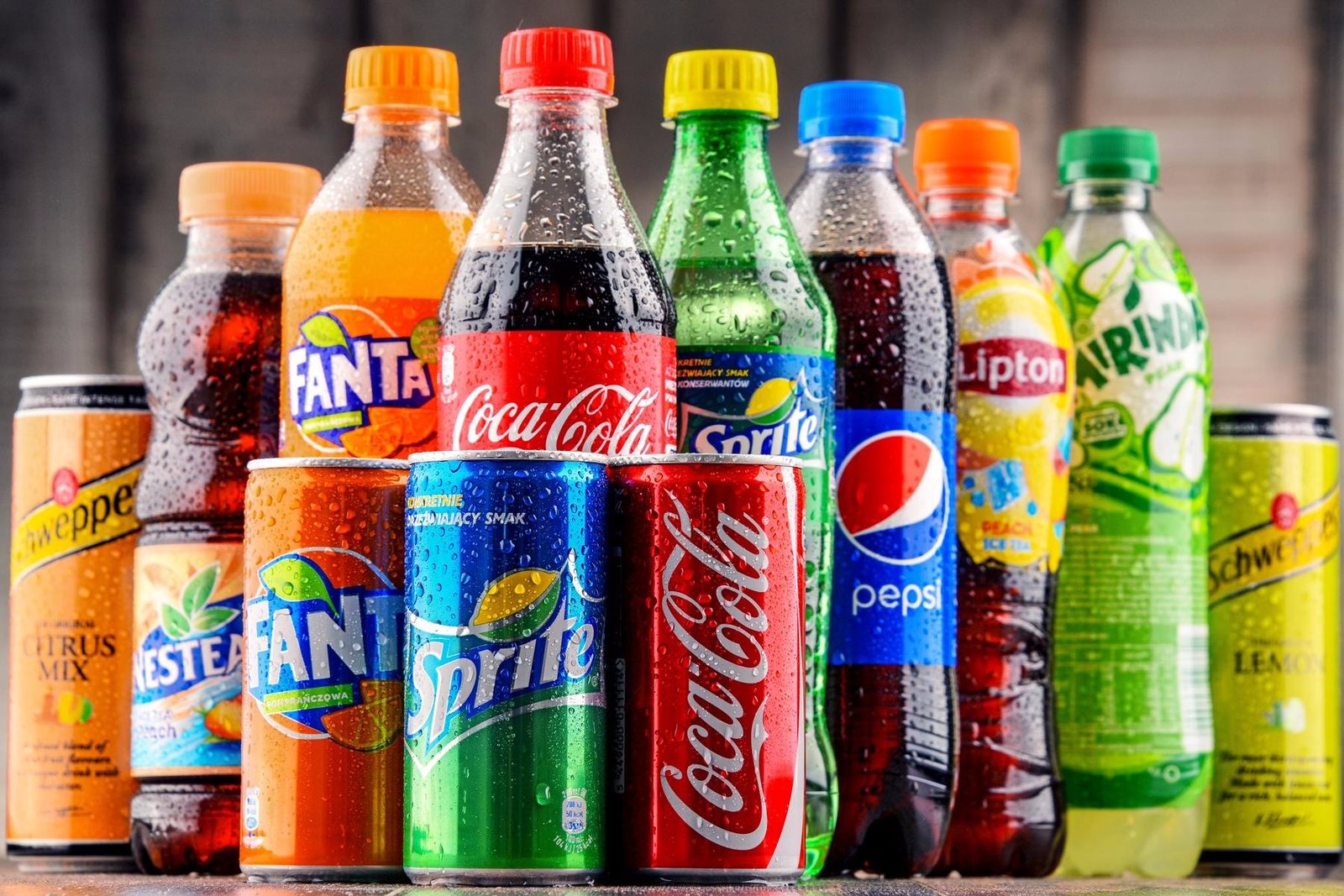
The government is considering a shift to sugar-based taxation for beverages as part of discussions ahead of the FY2026-27 federal budget, scheduled to be presented on June 10.
Speaking at a policy consultation hosted by the Sustainable Development Policy Institute (SDPI), Food Minister Rana Tanveer Hussain said Pakistan should move toward a more targeted excise duty framework that differentiates between beverages based on sugar content and nutritional value.
He said the current Federal Excise Duty (FED) regime applies a largely uniform tax structure across beverage categories despite significant differences in product composition and economic contribution.
According to the minister, future tax policies should balance public health objectives with the need to protect domestic agriculture, support industrial growth, and maintain government revenues.
Hussain noted that the formal juice industry contributes to agricultural value chains by purchasing locally produced fruit and supporting employment across farming, transportation, processing, and retail sectors.
He also cautioned against excessive taxation of documented businesses, warning that higher levies could shift consumer demand toward untaxed or unregulated products, potentially reducing tax revenues and creating food safety concerns.
The minister suggested that Pakistan examine international models where beverage taxes are linked to sugar content and nutritional profiles. Such systems, he said, can encourage manufacturers to develop lower-sugar products while promoting healthier consumer choices.
His comments come as the government finalizes budget proposals aimed at increasing revenue collection while addressing health and economic priorities. Any move toward a differentiated tax structure would mark a significant change in Pakistan’s approach to taxing soft drinks, juices, and other packaged beverages.