



Prospective buyers of three Pakistani power distribution companies (DISCOs) are seeking dollar-linked returns and safeguards against future changes to their contracts as the government moves ahead with the privatization process, sources familiar with the matter said.
Investors have also asked for greater certainty over tariffs, regulation and electricity procurement before committing to the transactions.
The first phase of the privatization programme covers Faisalabad Electric Supply Company (FESCO), Gujranwala Electric Power Company (GEPCO) and Islamabad Electric Supply Company (IESCO). Around 12 potential investors, including four foreign groups, have expressed interest.
One of the main concerns raised by bidders is the possibility of contracts being reopened or renegotiated after privatization. Investors want contractual protections to ensure that agreed terms remain stable.
The concern follows earlier government-led renegotiations of power-sector agreements, which investors view as a risk to long-term investments.
Bidders have also called for stronger regulatory enforcement, timely tariff adjustments and effective implementation of service-level agreements by the relevant authorities, including the National Electric Power Regulatory Authority (NEPRA).
Investors fear that future governments or court decisions could alter approved tariffs and other commercial arrangements.
To reduce this risk, the government’s financial adviser has proposed obtaining political-risk guarantees from multilateral institutions and including protections against contract reopening in the privatization agreements.
Another major demand involves electricity purchases. Some bidders want greater freedom to buy power from competitive sources instead of being required to purchase electricity from relatively expensive independent power producers (IPPs).
The government faces limits in accepting this proposal because it has existing contractual commitments with power producers. Reducing purchases could still leave the state liable for capacity payments to plants.
Some potential investors already operate power-generation businesses and have sought licenses allowing them to participate in both power purchasing and sales.
Bidders have also argued that the existing five-year tariff control period is too short to support major investment. They are seeking a seven- to 10-year period to provide greater certainty.
Investors have proposed replacing the uniform tariff structure with tariffs based more closely on the performance and efficiency of individual DISCOs.
Under the current system, consumers served by relatively efficient DISCOs can face the same tariff structure as consumers in areas where distribution losses are substantially higher.
Potential buyers have further requested clarity on investment returns, approval of investment plans and tariff determinations before bidding. They have also sought timely payment of government subsidies for eligible consumers.
A key financial proposal is for inflation-adjusted returns on investment, with some investors seeking those returns to be denominated or linked to foreign currency.
The government is reportedly considering inflation-linked returns but is reluctant to guarantee payments directly in US dollars because of the potential impact on electricity prices and the broader economy.
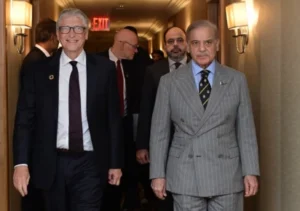
The investor feedback has been shared with Prime Minister Shehbaz Sharif, who has directed the Privatisation Commission to develop a transparent and predictable post-privatization framework.
The government now faces the challenge of making the DISCOs attractive to investors while limiting the impact of investor demands on electricity tariffs, consumers and public finances.