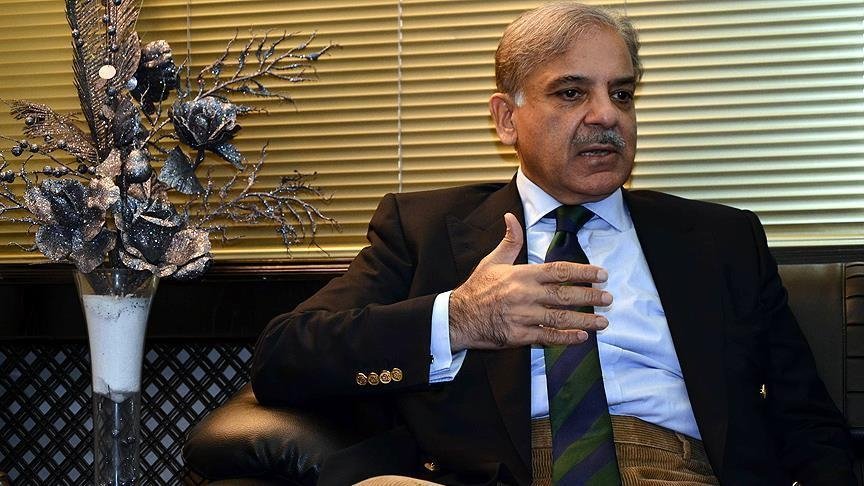
Prime Minister Shehbaz Sharif has said the government is taking steps to lower energy costs, calling the reduction of energy prices a key priority for the country’s industrial and business sectors.
He made the remarks while meeting a delegation of leading industrialists and business figures to discuss measures for strengthening the economy and expanding business, trade and industrial activity.
PM Shehbaz thanked the business community for its recommendations during the budget process and said a number of its proposals had been incorporated into the federal budget.
He said the government was continuing work on measures aimed at reducing the cost of energy, which is a major expense for industries.
The Prime Minister also highlighted progress on the digitization of the Federal Board of Revenue (FBR). He said the tax authority had collected Rs. 800 billion through enforcement during the previous financial year.
He further said the government was working to develop a workforce aligned with the needs of industry. Special attention, he added, was being given to training young people in skills demanded by the market.
During the meeting, business leaders were briefed on steps taken to improve the business environment and strengthen trade and industrial activity.
The government said port charges had been reduced at the country’s ports, while efforts were also being made to improve their operational efficiency.
To improve the movement of goods from Karachi’s ports to other parts of the country, work is underway on the upgradation of the M-10 Motorway and the Pipri Freight Corridor.
The government also discussed the M-13 Kharian-Rawalpindi Motorway project, saying it would help reduce the distance between Lahore and Islamabad.
Pakistan Railways is also being upgraded to improve its infrastructure and speed up the transportation of commercial goods, according to the briefing.
The government further highlighted strong growth in IT exports, describing the increase as a record rise.
PM Shehbaz said the government was training 1 million people in IT and artificial intelligence, with the aim of developing skilled workers for the country’s expanding digital economy.
He stressed that continued coordination between the government and the business community would be important for increasing investment, strengthening exports and improving overall economic activity.