Pakistan has launched a major push to modernize its electricity system by signing a Transaction Advisory Services Agreement with the International Finance Corporation (IFC), part of the World Bank Group, to introduce smart metering for 10 million power connections across the country.
Under the agreement, the IFC will serve as transaction adviser and conduct a detailed techno-commercial assessment to structure a large-scale rollout model based on a service-provider framework or public-private partnership, aimed at attracting both domestic and international investors to finance, install, operate, and maintain the system.
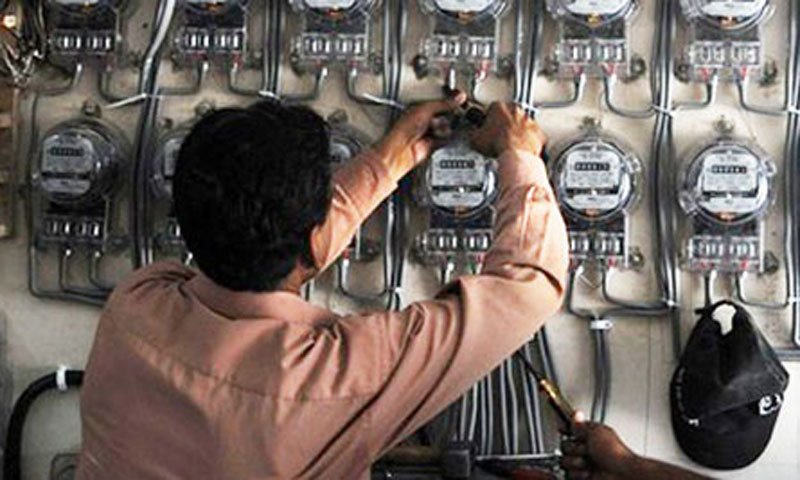
Officials said the initiative is a key part of Pakistan’s broader plan to digitize its power distribution network by replacing outdated meters with advanced technology designed to improve transparency, reduce losses, and strengthen financial recovery in the sector.
The smart metering system, also known as Advanced Metering Infrastructure, will enable real-time tracking of electricity consumption, help detect power theft, improve billing accuracy, and significantly reduce manual meter reading errors and inefficiencies.
The government has already reduced the cost of smart meters by around 40 percent through competitive procurement, lowering installation expenses for both utilities and consumers.
As part of the implementation plan, all power distribution companies have been instructed to install smart meters for new electricity connections, effectively ending the use of conventional meters going forward. In addition, existing three-phase meters used mainly by commercial and industrial users will be gradually replaced with smart meters within a defined timeline.