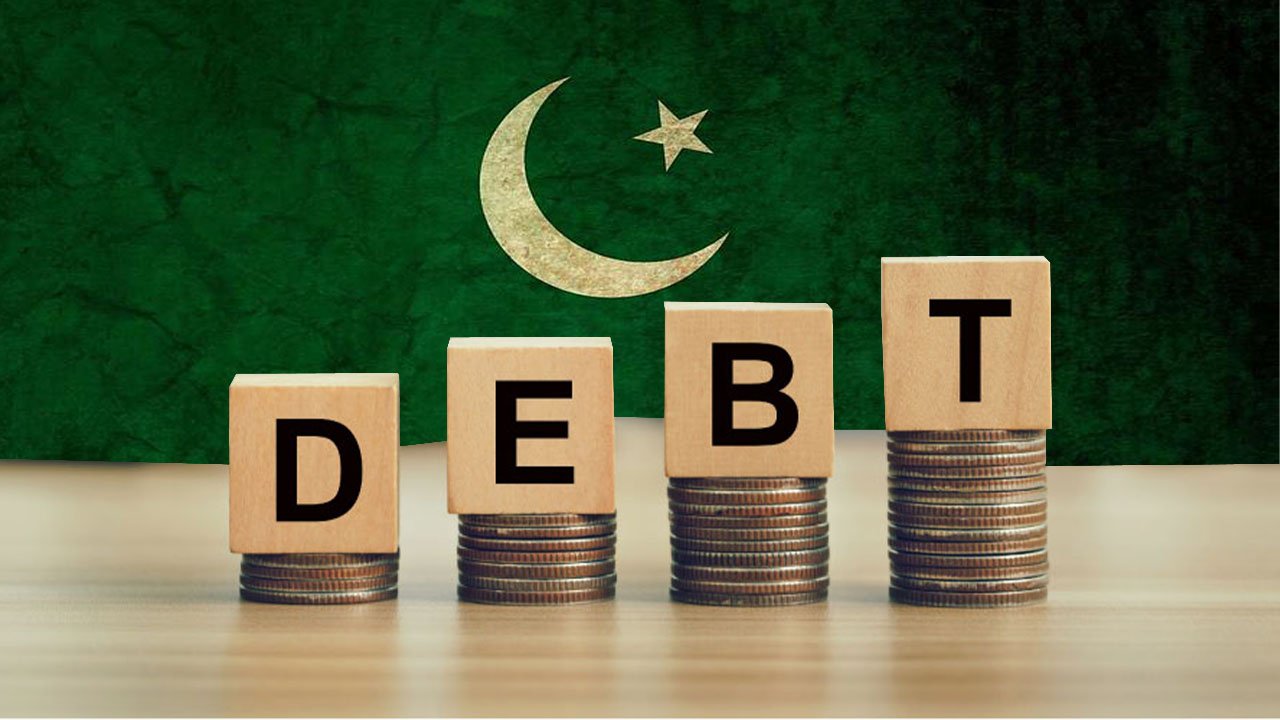
Pakistan’s federal debt has jumped sharply by more than Rs. 15 trillion in just two years, underscoring the scale of borrowing during the current government’s tenure.
According to data from the State Bank of Pakistan, total public debt rose by Rs. 15,072 billion between March 2024 and February 2026, taking the overall debt stock to nearly Rs. 79.9 trillion.
This means the government added roughly Rs. 21 billion in debt every single day over the two-year period, reflecting sustained and rapid borrowing pressures.
The increase was driven mainly by domestic borrowing, which climbed by around Rs. 14.0 trillion, while external debt also rose by approximately Rs. 1.07 trillion during the same period.
In February 2024, total federal debt stood at Rs. 64.81 trillion, showing how quickly liabilities have expanded in a relatively short span of time.
Recent central bank figures further confirm a steady upward trend, with debt levels crossing Rs. 79 trillion by early 2026, largely due to heavy reliance on domestic financing to bridge fiscal gaps.
The surge comes amid ongoing economic strain, including high debt servicing obligations, weak revenue growth, and persistent budget deficits that continue to pressure government finances.
Pakistan has increasingly depended on both internal borrowing and external funding sources, including multilateral institutions and bilateral partners, to meet its financing needs and maintain macroeconomic stability.