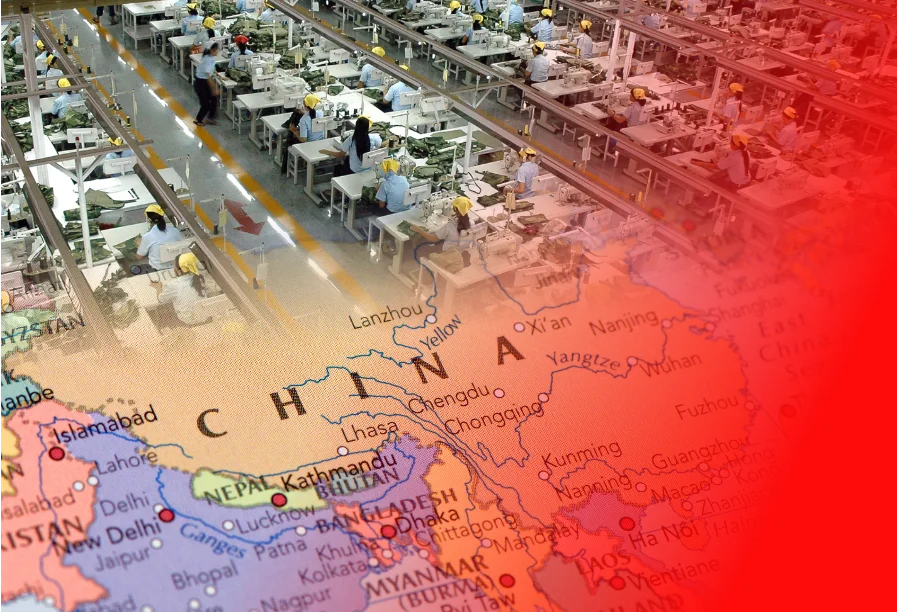
Chinese apparel manufacturer Challenge Fashion is planning a major expansion in Pakistan, aiming to build large-scale production capacity that could generate up to $500 million in annual exports and create around 20,000 jobs over time.
The development was discussed in a meeting between Federal Commerce Minister Jam Kamal Khan and a Chinese business delegation led by Challenge Fashion Chairman Huwang and CEO Karen Chen, according to an official statement issued on Wednesday.
Both sides reviewed opportunities in export-oriented manufacturing, tariff reforms, industrial facilitation, and broader economic cooperation between Pakistan and China.
The Chinese delegation briefed the minister on ongoing project work in Pakistan and outlined plans to significantly expand production capacity, export volumes, and employment generation through phased investment.
The company said it is establishing a large manufacturing facility in Pakistan built to international production standards, with the first phase expected to be completed later this year.
Officials said the long-term expansion could evolve into one of the country’s largest apparel manufacturing operations, with projected exports in the range of $400–500 million annually.
Last year, Challenge Fashion announced plans to set up a Special Economic Zone in Pakistan with an estimated investment of $100 million over five years as part of its regional manufacturing strategy.
The delegation highlighted Pakistan’s geographic location, competitive labor costs, and access to regional trade routes as key factors driving investment interest.
Commerce Minister Jam Kamal Khan welcomed the expansion plans and said the government is working to improve the investment environment by simplifying regulations, reducing procedural delays, and strengthening institutional support for foreign investors.
He noted that shifting global supply chains and diversification by international manufacturers are creating new opportunities for Pakistan to attract export-led industrial investment.
The meeting also covered issues related to logistics, energy supply, land allocation, infrastructure support, and reforms in Special Economic Zones to improve ease of doing business.
The Chinese delegation raised concerns regarding the import of specialized industrial inputs not currently manufactured locally. In response, the commerce minister asked the delegation to formally submit details so the government could review them under its tariff rationalization framework.