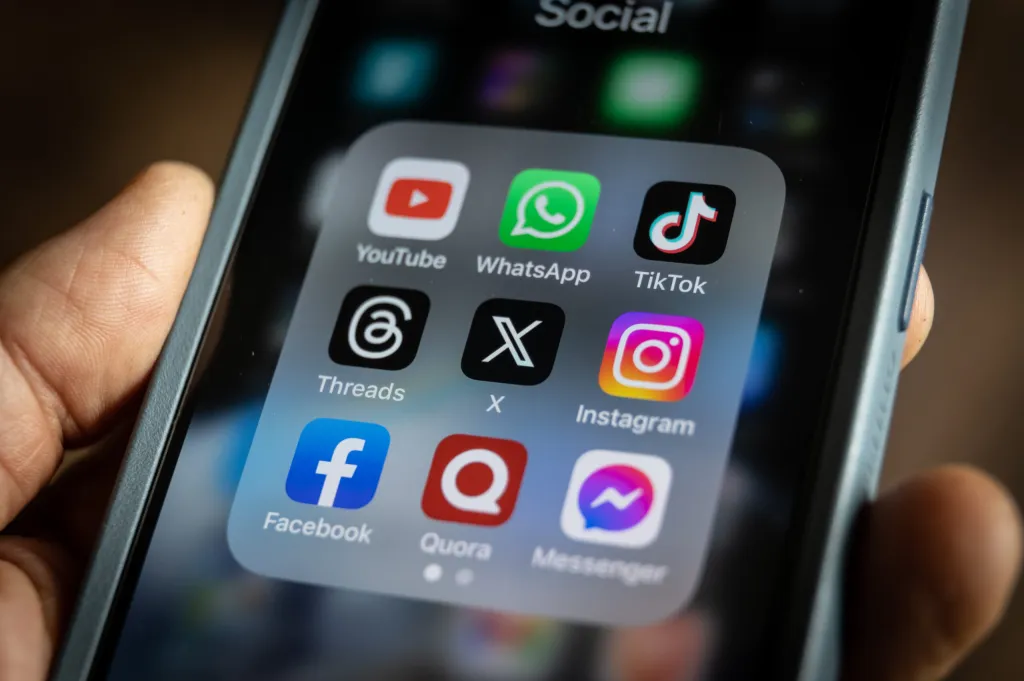
Pakistan’s newly established Social Media Protection and Regulatory Authority (SMPRA) has started working on its governing rules and regulations, marking an important step toward enforcing oversight of digital platforms and online content in the country.
Formed under the Prevention of Electronic Crimes Act (PECA), the authority has been tasked with regulating social media platforms operating in Pakistan and ensuring compliance with local laws, standards, and content guidelines. The move represents the first structured effort to build a comprehensive regulatory framework for the country’s online space.
The creation of SMPRA comes amid rising concerns over misinformation, hate speech, cyberbullying, and the spread of harmful or extremist content across social media platforms. The authority aims to address these challenges by enforcing content standards and requiring platforms to take greater responsibility for material shared on their services.
According to its mandate, SMPRA will work to remove unlawful or harmful content, improve accountability of digital companies, and safeguard users—especially vulnerable groups—from online abuse and exploitation. It also plans to introduce clearer moderation rules to ensure compliance with Pakistan’s legal and ethical requirements.
A key part of the proposed framework includes requiring social media companies to establish local offices in Pakistan and meet regulatory obligations. The authority is also expected to develop a formal complaint system, enabling users to report harmful content and platform violations more effectively.
The body was officially set up in early 2026, with former Advocate General of Islamabad Ayaz Shaukat appointed as its first chairman. Its formation reflects growing state concerns over unregulated online activity and the need for stronger enforcement mechanisms in the digital space.
SMPRA will coordinate with existing institutions, including the Pakistan Telecommunication Authority (PTA), to strengthen cybersecurity oversight and address broader digital economy challenges.
In the coming phase, the authority will finalize detailed regulations covering content moderation, platform registration requirements, and penalties for non-compliance. These rules are expected to significantly impact both local and international social media companies operating in Pakistan, reshaping the country’s online regulatory landscape.