



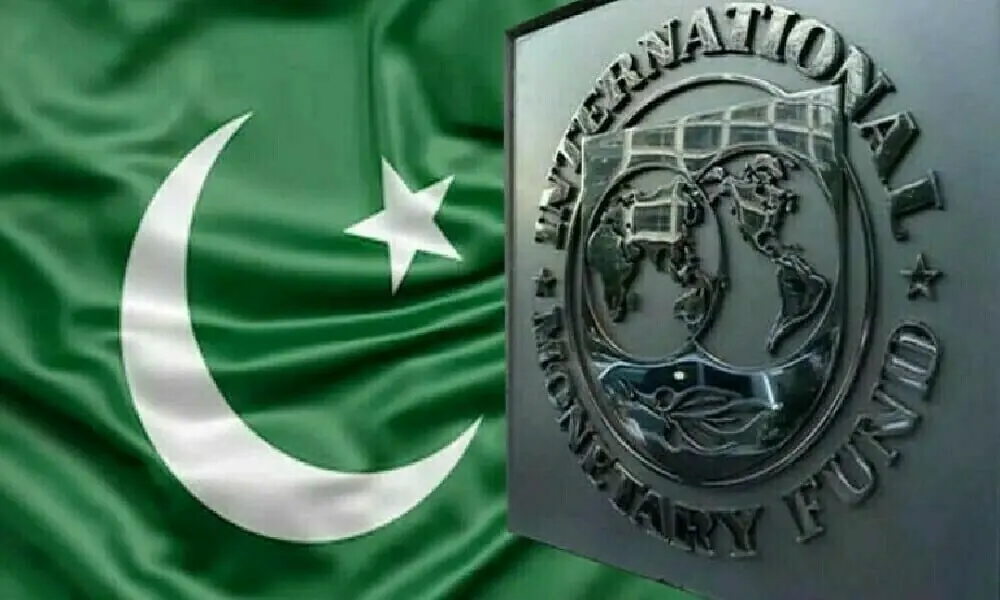
Pakistan will need to generate over Rs. 700 billion in additional revenue and maintain strict fiscal discipline to meet IMF-backed budget targets for FY27, according to the latest round of discussions between Islamabad and the International Monetary Fund.
An IMF mission led by Iva Petrova concluded its visit to Islamabad on Tuesday after reviewing economic performance, budget planning, and reform progress under the Extended Fund Facility and Resilience and Sustainability Facility programs.
The Fund reiterated Pakistan’s commitment to achieving a primary budget surplus of 2 percent of GDP in FY27, a key benchmark aimed at improving fiscal stability. It emphasized the need for deeper tax reforms, stronger enforcement, better expenditure management, and improved public financial systems at both federal and provincial levels.
According to officials familiar with the talks, Pakistan faces a revenue gap of around 0.6 percent of GDP—equivalent to more than Rs. 700 billion—to offset weak tax growth and sustain improvements in the tax-to-GDP ratio. The IMF has stressed that a major share of this adjustment should come from widening the tax base rather than increasing rates on existing taxpayers.
At the federal level, planned measures include reforms under the Federal Board of Revenue transformation agenda and reductions in tax exemptions, expected to generate around 0.3 percent of GDP in FY27. Provinces are expected to contribute through expanding the services sales tax base and increasing taxation on agricultural income.
The IMF also called for continued spending restraint, recommending that primary expenditure remain largely unchanged as a share of GDP, while allowing space for targeted social protection, health, and education spending. It warned that lower-priority development projects could face cuts if revenue targets are missed.
The discussions further covered monetary and exchange rate policy, with the State Bank of Pakistan reaffirming its commitment to a tight monetary stance to control inflation and support stability. The IMF also emphasized greater exchange rate flexibility and deeper foreign exchange markets to help absorb external shocks.
Both sides also reviewed external risks, including potential spillovers from ongoing geopolitical tensions in the Middle East, with the IMF advising Pakistan to maintain fiscal buffers and contingency reserves. The Fund further recommended saving any windfall gains from lower interest payments instead of increasing spending.
Structural reforms in the energy sector, state-owned enterprises, financial markets, and trade liberalization were also reviewed. The next IMF mission, including Article IV consultations and program reviews, is expected in the second half of 2026.