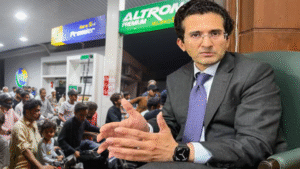
Finance Minister Muhammad Aurangzeb has said the government is working on a clear path to gradually abolish the super tax, confirming that the levy will be reduced step by step until it is eventually phased out.
Speaking before the Senate Standing Committee on Finance, the minister said the government’s policy direction is now focused on eliminating the super tax over the coming years, with annual efforts aimed at creating fiscal space for further cuts.
His statement comes after the federal budget 2026–27 proposed reductions in super tax rates, seen as an early move toward easing pressure on businesses and encouraging investment.
During the meeting, Senator Abdul Qadir proposed increasing the exemption threshold from Rs. 500 million to Rs. 1 billion. FBR Chairman Rashid Mahmood Langrial opposed the idea, warning it would create an estimated Rs. 250 billion revenue shortfall unless offset by new tax measures.
Originally introduced as a temporary revenue tool during fiscal stress, the super tax has since become a key revenue stream. However, it has remained controversial, with industry groups arguing it raises business costs and discourages investment.
Officials said any further cuts or eventual removal would depend on improved tax collection, stronger revenues, and available fiscal space under the government’s broader reform program.