



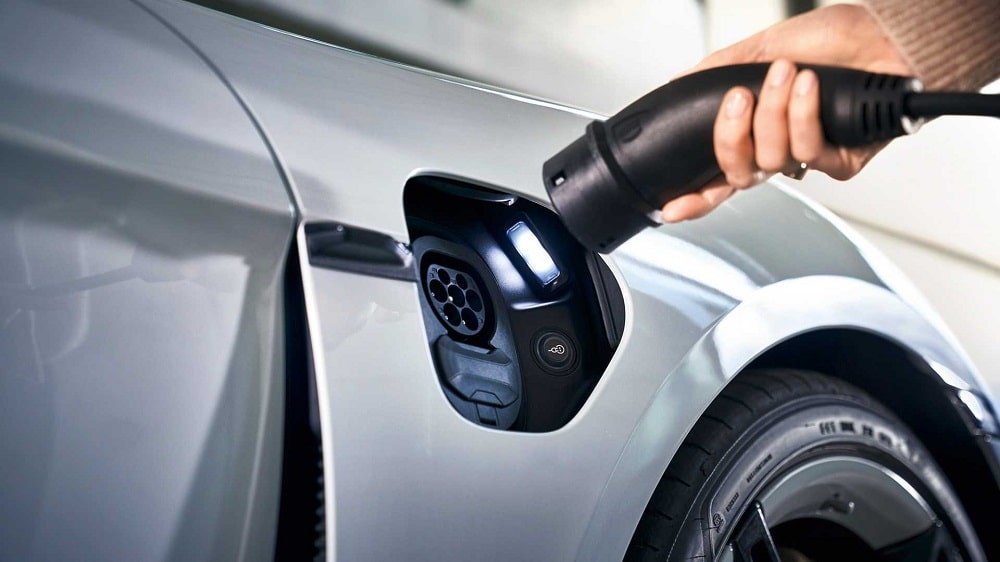
The government has opposed a proposal by the International Monetary Fund to impose 18 percent General Sales Tax on the sale of electric vehicles in Pakistan and has instead proposed a much lower 1 percent GST to encourage the shift towards cleaner transport.
The matter came up during talks between a visiting IMF team and the Ministry of Industries, where officials shared key features of the country’s upcoming auto policy.
According to officials, the government wants the 1 percent GST to apply to a wide range of new energy vehicles, including electric cars, buses, trucks, tractors, pickups, three-wheelers, and two-wheelers.
The Ministry of Industries argued that hybrid vehicles are already enjoying a reduced GST rate of 8.5 percent, so electric vehicles should be given even greater tax relief to support their adoption.
Officials also told the IMF that imported EV parts currently face just 1 percent GST, while locally manufactured parts are taxed at 18 percent. They said this creates an imbalance for local manufacturers and leads to refund issues. To solve this, the ministry proposed a uniform 1 percent GST across the entire EV supply chain.
At the same time, the government remains committed to gradually reducing tariffs in the auto sector under the National Tariff Policy. Pakistan has given a written assurance to the IMF that it will cut the weighted average applied tariff from 10.6 percent in FY25 to 7.4 percent by FY30.
With additional reductions in auto-sector duties, the weighted average tariff in the sector is expected to fall below 6 percent by 2030, reaching 5.99 percent.
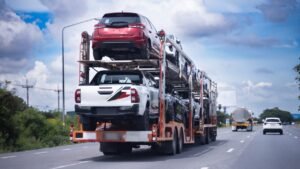
However, the Ministry of Industries has raised concerns over the pace of tariff cuts. It argues that Pakistan should continue imposing higher duties on imported new and used vehicles, in the range of 70 to 80 percent, similar to regional countries such as India and Bangladesh, in order to protect local industry.
Officials told the IMF that the new auto policy is in its final stages and will be shared before it is sent to the Cabinet for approval. The policy is expected to reduce Additional Customs Duties, Regulatory Duties, and Customs Duties over the next five years in line with Pakistan’s commitments under the IMF programme.
Separately, the Motor Vehicle Development Act has been submitted to Parliament. The proposed law aims to give the Engineering Development Board legal authority to enforce new environmental and safety standards on both locally made and imported vehicles.
The government wants the bill passed by the National Assembly before the end of June 2026, but it is facing resistance from some of its political allies.
In simple terms, the debate is about two things: how much tax people should pay on electric vehicles, and how quickly Pakistan should open its auto market to more foreign competition. The government wants lower taxes on EVs to make them cheaper for buyers, while also trying to protect local carmakers during the transition.