



Pakistan is considering a new incentive structure to accelerate battery energy storage adoption, with a proposal to introduce Time-of-Use (ToU) net metering/net billing rates of Rs18–22 per kWh for evening battery discharge between 5:00 pm and 10:00 pm.
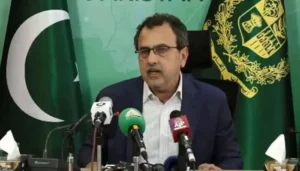
The proposal, presented by Power Division Advisor Syed Faizan Ali, aims to encourage Battery Energy Storage System (BESS) deployment and help reduce costly peak-hour electricity purchases as Pakistan’s annual evening peak demand has crossed 26,000 MW.
According to Faizan’s market intelligence report on “Li-Ion Battery & BESS Import Analysis 2024–26,” Pakistan’s battery storage market has entered a rapid growth phase, with lithium-ion battery imports reaching 6.004 GWh worth Rs126 billion ($454.7 million) during January 2024 to June 2026.
The report shows monthly battery imports surged by 1,640%, rising from 42 MWh in January 2024 to a record 652.2 MWh in April 2026. The current annualised import pace stands at around 5.86 GWh, placing Pakistan among the fastest-growing emerging battery storage markets.
The growth has been driven by rising solar adoption, concerns over energy security, and a shift from traditional solar systems toward solar-plus-storage solutions designed for self-consumption.
The report noted that the battery market has also expanded beyond residential users, with telecom operators, commercial consumers, and utility-scale projects increasingly adopting lithium iron phosphate (LFP) storage systems.
CMPak emerged as the largest telecom buyer in a single month, importing 3,512 ZTE/Huawei backup battery units with 9.6 MWh capacity, reflecting the replacement of older VRLA batteries with modern lithium-based systems.
Meanwhile, utility-scale containerised BESS installations above 1 MWh accounted for more than 252 MWh across 19 projects, showing a shift toward larger-scale deployment.
However, the report warned that Pakistan’s fast-growing battery market lacks key regulations, including mandatory safety standards, grid connection rules, storage tariffs, and a national tracking system for installed battery capacity.
Faizan recommended creating a national BESS registry, introducing international safety compliance standards, developing grid integration rules, and launching competitive multi-megawatt battery storage tenders.
He also warned that falling battery costs and expanding rooftop solar adoption could encourage high-paying consumers to partially leave the grid, potentially increasing costs for remaining electricity users unless storage is integrated into the national power system.
The proposed ToU structure would allow distributed batteries to support the grid by storing electricity during low-demand periods and supplying power during expensive evening peak hours.