



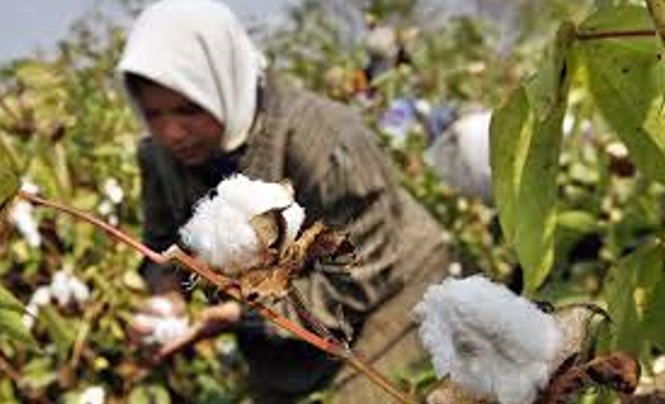
Pakistan has finally allowed the import of hybrid cottonseed after months of delay in finalizing the required Standard Operating Procedures (SOPs), but industry stakeholders say the decision has come too late to benefit farmers during the current cotton season.
According to the newly issued guidelines, hybrid cottonseed imports will initially be permitted only on a trial basis. The imported varieties will undergo supervised cultivation trials for two consecutive years across different cotton-growing regions before they can qualify for commercial approval. Authorities will evaluate the seed’s performance based on fibre length, fibre strength, overall quality, and resistance to cotton leaf curl virus, extreme weather conditions, water stress, and other crop diseases.
The policy restricts participation to registered seed companies and recognized cotton research institutions, barring individuals and unauthorized entities from importing or testing the seed material.
However, agricultural stakeholders argue that the prolonged delay in issuing the SOPs has effectively rendered the decision irrelevant for this year, as cotton sowing across most farming areas has already been completed or is nearing completion. Farmers hoping for improved seed varieties to boost productivity will therefore see no immediate benefit from the policy.
Experts maintain that Pakistan’s cotton crisis is not solely linked to seed quality. Agriculture analyst Ihsanul Haq noted that the rapid expansion of sugarcane cultivation, along with the establishment of sugar mills in traditional cotton belts, has significantly altered local environmental conditions. Increased humidity levels and changing microclimates, he said, have accelerated the spread of viral infections damaging cotton crops.
He highlighted Rahim Yar Khan as a prominent example where cotton acreage has declined sharply due to the growing dominance of sugarcane farming. Haq warned that unless authorities strictly enforce crop zoning regulations and limit sugarcane expansion in cotton-producing areas, structural challenges facing the cotton sector will persist despite efforts to introduce improved seed varieties.
The delayed rollout of hybrid cottonseed trials comes at a time when Pakistan continues to struggle with falling cotton output and rising dependence on imports to support its textile industry, raising concerns about long-term agricultural planning and policy execution.