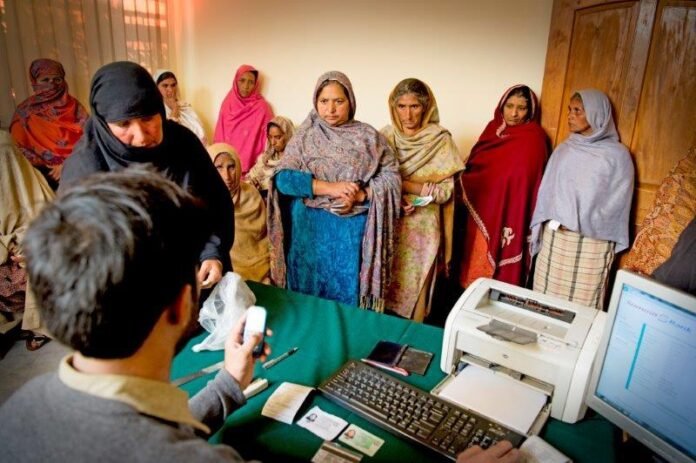
Pakistan’s financial system added more than 6.8 million new unique bank accounts in 2025, with women accounting for 55 percent of the new account holders, according to the State Bank of Pakistan’s first annual progress report on the National Financial Inclusion Strategy 2024-2028.
The central bank said it achieved all annual headline targets set under the strategy during its first year of implementation. As a result, Pakistan’s financial inclusion rate rose to 69 percent, while the gender gap in financial access narrowed to 29 percent.
The increase in account ownership reflects a broader push towards digital finance and formal banking channels in the country.
Among the key developments during the year was the nationwide rollout of Raast Person-to-Merchant payments, which enabled more than two million merchants to accept digital payments through QR codes.
Pakistan also expanded its financial inclusion infrastructure by introducing district-level dashboards to track access to banking, deposits, financing, and other indicators. The move places Pakistan among a relatively limited number of countries that publicly release granular financial inclusion data.
Another major step was the launch of Zarkhez Asaan Digital Qarza, described as Pakistan’s first end-to-end digital agricultural lending platform.
According to the report, the platform has brought on board 21 banks and around 10,000 merchants and vendors, while more than 22,000 farmers have registered and secured financing approvals amounting to Rs1.9 billion.
The State Bank also launched a Digital Scorecard Model to support low-cost housing finance and improve credit access for underserved segments of the population.
Out of the 52 actions identified under the National Financial Inclusion Strategy, 10 had been fully completed by the end of 2025, while work on the remaining measures was largely progressing according to schedule.
Going forward, the central bank plans to expand agent interoperability, introduce digitally enabled model villages, strengthen district-level financial reporting, and revise branch licensing rules as part of its broader effort to bring more individuals and small businesses into the formal financial system.