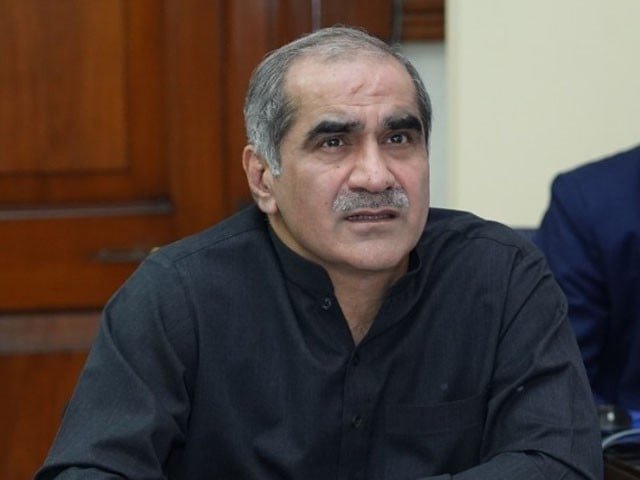
Khawaja Saad Rafique has called on political parties to stop producing “yes men” and create an environment where members can openly challenge their own leadership.
Speaking recently, the former federal minister said political parties should strengthen their internal institutions instead of encouraging members to remain silent or simply agree with those at the top.
Rafique questioned why politicians within parties do not speak openly on important issues and whether they have been discouraged from expressing their views.
He said party members who have spent decades working for an organization should be able to raise their concerns while remaining part of the same party. According to him, political leadership should be prepared to listen rather than remove members simply for disagreeing.
Rafique also criticized the political culture of constant accusations and personal attacks. He said ordinary Pakistanis are more concerned about earning a living, getting justice and dealing with everyday hardships than politicians exchanging allegations.
He argued that political parties need to move beyond this style of politics and develop a stronger culture of dialogue and internal democracy.
Rafique also supported empowered local governments with constitutional protection and said provincial finance commissions should be given a status comparable to the National Finance Commission.
He said creating smaller provinces alone would not resolve Pakistan’s problems. Instead, he pointed to the concentration of power and the failure to respect electoral choices as deeper issues.
The former minister also warned that political parties could face declining relevance if they refuse to reform. He urged civil society to put pressure on parties to introduce greater democracy within their organizations and maintain consistent political positions.
Rafique said public decisions made through elections must be respected, even when the outcome is considered wrong. Repeatedly disregarding voters, he argued, risks creating greater instability.
He also criticized the concentration of decision-making within political parties, saying consultation has gradually narrowed from larger groups to a handful of people and eventually to individuals.
Rafique further highlighted the financial barriers facing middle class candidates seeking seats in parliament. He called for credible electoral institutions and an electoral process without interference.
Warning of the consequences of continued political and institutional failure, Rafique said younger generations could eventually emerge with demands that political parties, governments and state institutions may struggle to control.
He called for self-accountability, political space for opponents and dialogue-based conflict resolution to rebuild the country’s political system.