

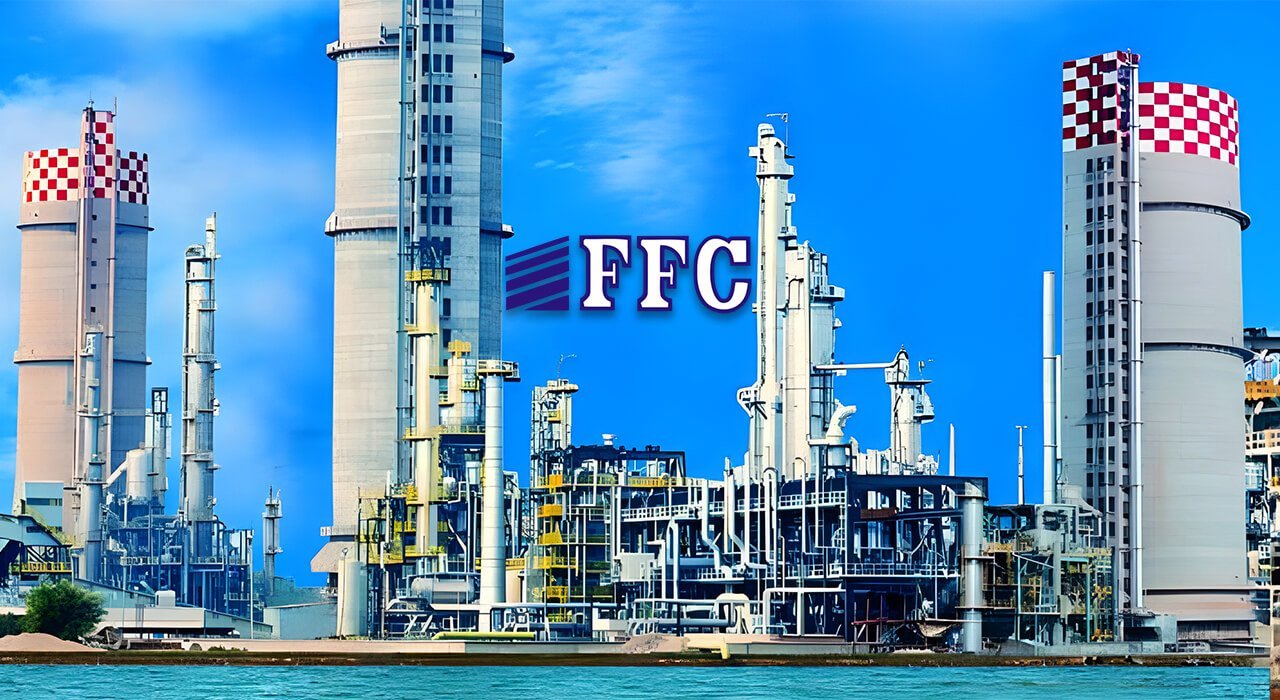
Fauji Fertilizer Company, Indus Motor Company (Toyota) and Honda Atlas Cars are among 11 Pakistan Stock Exchange-listed companies that could receive significant financial relief after the Federal Constitutional Court struck down infrastructure cess laws in Sindh and Khyber Pakhtunkhwa.
The ruling puts Rs. 42.9 billion in outstanding liabilities at stake for the 11 companies, which also include Nishat Mills, D.G. Khan Cement, Lucky Cement, Lotte Chemical, Engro Fertilizers, LCI, EPCL and International Industries. The decision could also help them reduce financing expenses and improve their financial results.
The Federal Constitutional Court announced its decision on November 19, 2026, overturning earlier judgments by the Sindh High Court and Peshawar High Court. The ruling came after a decade-long legal dispute involving 568 petitions against the provincial levies.
Why the Court Struck Down the Infrastructure Tax
The court ruled that the infrastructure cess effectively amounted to a customs duty because it was imposed on goods involved in international trade and collected during customs clearance.
Since customs duties fall under federal jurisdiction, the provinces lacked the constitutional authority to impose the levy.
The court also found that using the collected revenue for provincial infrastructure projects did not give the provincial governments the legal authority to charge the tax. It noted the absence of a direct connection between the levy and specific services provided to taxpayers.
Rs. 42.9 Billion in Liabilities at Stake
According to an analysis by Arif Habib Limited (AHL), the 11 listed companies have outstanding Sindh Infrastructure Development Cess liabilities of Rs. 42.9 billion.
Of this amount, Rs. 16.7 billion has already been recognised as present value gains by companies that entered into settlement agreements in February 2026.
Fauji Fertilizer Company has the largest outstanding liability at Rs. 11.61 billion, representing around 27 percent of the total.
Indus Motor Company could benefit from an estimated Rs. 4.96 billion reversal, while Honda Atlas Cars has an estimated exposure of Rs. 4.85 billion.
Toyota and Honda Have Highest Per-Share Gains
AHL estimates that Indus Motor Company could record the largest benefit on a per-share basis at Rs. 47.37.
Honda Atlas Cars follows with a potential gain of Rs. 25.47 per share. The estimated benefits stand at Rs. 6.71 per share for Nishat Mills, Rs. 6.05 for Fauji Fertilizer Company and Rs. 3.76 for D.G. Khan Cement.
The removal of these liabilities could also lower financing expenses for the affected companies.
Based on an assumed interest rate of 12 percent, AHL estimates that the companies could collectively save approximately Rs. 5.15 billion annually in financing costs.
The potential reversals could improve their balance sheets, increase book values and support earnings by reducing outstanding obligations and interest expenses.
However, AHL’s channel checks indicate that companies are unlikely to recover payments already made in lump sums.
What Happens Next?
The provincial authorities could challenge the decision through review petitions, potentially delaying its implementation.
The affected companies are also expected to examine the detailed judgment before deciding whether to reverse liabilities previously recorded in their financial statements.
The dispute dates back to 2011, when the Sindh High Court granted companies interim relief by allowing them to pay half of the cess in cash and cover the remaining amount through bank guarantees.
Later court proceedings upheld the levy before the Federal Constitutional Court overturned the provincial laws on November 19, 2026.