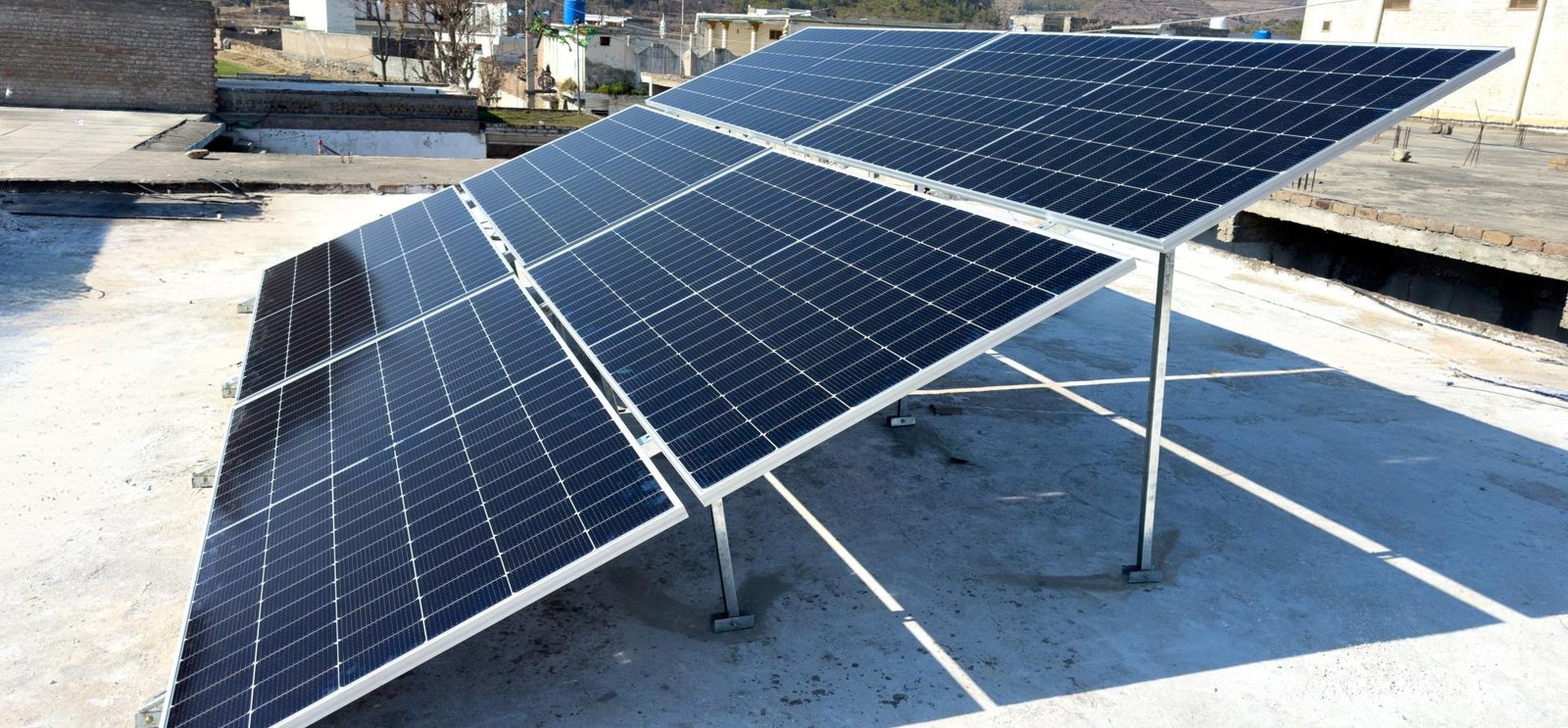
The rapid expansion of rooftop solar is putting further pressure on Pakistan’s electricity system, with power demand falling 8.66% year-on-year as more households and businesses reduce their dependence on the national grid.
Documents show that electricity sales by various distribution companies (DISCOs) declined during the April-June period, with some companies recording double-digit drops.
The growing number of residential and commercial consumers switching to solar has emerged as a major factor behind the decline in grid electricity consumption.
Falling electricity sales are also increasing the capacity payment burden because power generation costs have to be recovered from a shrinking volume of grid-based consumption.
Islamabad Electric Supply Company (IESCO) recorded a 10.77% year-on-year decline in electricity sales in April. The reduction stood at 3.55% in May and 6.29% in June.
Residential consumers registered the steepest decline, purchasing 19.69% less electricity in April than a year earlier. The drop moderated to 7.92% in May and 5.72% in June.
Commercial electricity purchases also declined during the three-month period, falling 6.85% year-on-year in April, 3.80% in May and 1.85% in June.
IESCO’s overall electricity demand declined by as much as 16% during the quarter. Year-on-year demand fell 16% in April, 8% in May and 2% in June.
The figures underscore the growing impact of distributed solar generation on Pakistan’s power market, with consumers increasingly generating their own electricity and drawing less power from the national grid.