





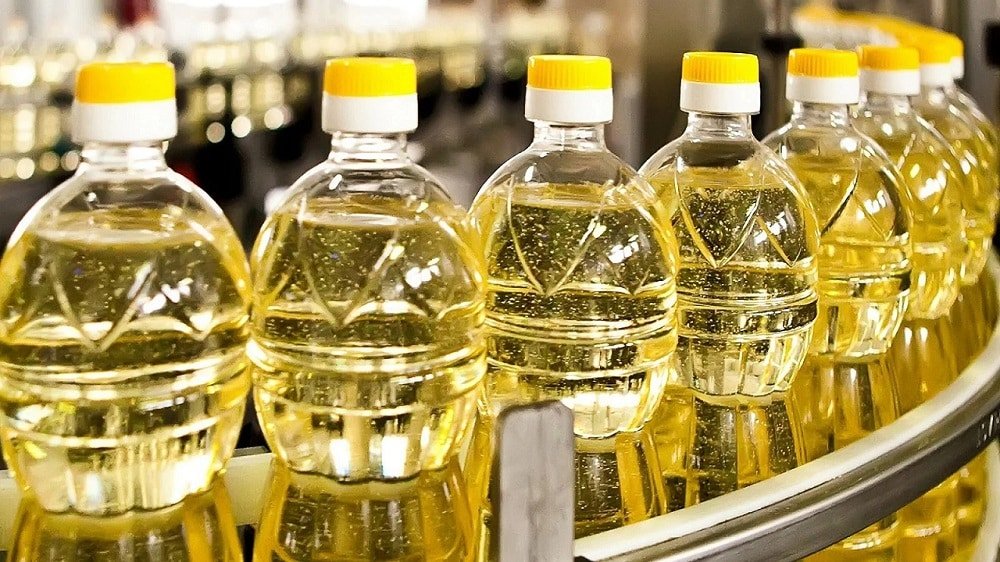
Pakistan’s palm oil import bill swelled to an unprecedented $3.785 billion in the fiscal year 2026, as the country shipped in 3.482 million tonnes of the commodity — the highest volume on record — to feed a growing population and offset shrinking domestic oilseed harvests.
Data from the Pakistan Bureau of Statistics (PBS) paints a picture of relentless demand: import volumes rose from 3.214 million tonnes in FY25, when the bill stood at $3.4 billion, while the average per-tonne price ticked up to $1,078 from $1,056 a year earlier.
Sheikh Umer Rehan, chairman of the Pakistan Vanaspati Manufacturers Association (PVMA), linked the surge to population growth and lower yields of local crops such as cottonseed. He noted that the country’s total edible oil consumption has climbed to 4.8 million tonnes, up from four million tonnes just five years ago.
Yet for all that growth, Rehan pointed to a glaring void: Pakistan has never formulated an edible oil policy since independence.
The industry, he said, is now caught in a fresh bind. The Federal Board of Revenue (FBR) has begun pressing manufacturers to pay general sales tax on the retail price, abandoning the long-standing practice of collecting the levy at the ex-mill stage.
“Instead of creating a business-friendly environment and reducing the cost of doing business, the FBR is creating complications for taxpayers,” Rehan said.
The PVMA chief warned that a new sales tax mechanism, introduced through the FY27 budget, will add Rs. 10 to Rs. 15 per kilogram to the retail price of ghee and cooking oil. The budget expanded the scope of the Third Schedule, shifting sales tax collection to a system tied to the Maximum Retail Price (MRP) — a change the industry contends will sharply inflate its tax burden.
The association had earlier urged the government to cut taxes on the edible oil and ghee sector to ease the strain on households.
The pinch is already visible on shop shelves. According to the Sensitive Price Index (SPI), a five-litre container of cooking oil now costs between Rs. 2,975 and Rs. 3,110, up from Rs. 2,800 to Rs. 3,000 a year ago. A 2.5-kilogram tin of ghee sells for Rs. 1,500 to Rs. 1,565, compared with Rs. 1,425 to Rs. 1,485 previously, while a one-kilogram pack fetches Rs. 590 to Rs. 610, against Rs. 550 to Rs. 580 — a steady, if unspectacular, climb in the price of kitchen staples over the past twelve months.




