




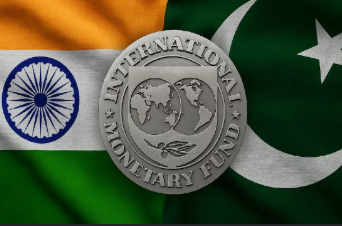
The International Monetary Fund (IMF) executive board has approved $1.3 billion in fresh disbursements for Pakistan, while rejecting India’s objections regarding the programme’s implementation and alleged concerns over fund usage, officials familiar with the meeting said.
The approval includes $1.1 billion under the Extended Fund Facility (EFF) and $220 million under the Resilience and Sustainability Facility (RSF), following the completion of Pakistan’s latest programme review held on May 8.
According to officials, Pakistan’s performance was described by board leadership as strong, with most quantitative and structural targets met during the July–December 2025 review period. Only limited shortfalls were recorded in Federal Board of Revenue (FBR)-related revenue targets.
IMF First Deputy Managing Director Nigel Clarke, who chaired the meeting, reportedly characterised Pakistan’s overall implementation record as “exceptional,” reflecting improved confidence in the country’s stabilisation efforts.
However, the board also noted persistent structural weaknesses in Pakistan’s economy, particularly a narrow tax base, recurring revenue shortfalls, and rising social pressure indicators, including poverty and inequality.
Officials said India attempted to block approval of the disbursements, raising objections related to alleged end-use concerns. The IMF board did not accept these objections, and the package was approved by majority vote. Similar attempts by India to block Pakistan-related financing at multilateral institutions have also been unsuccessful in previous cases.
IMF support to Pakistan remains focused on balance-of-payments stabilisation and fiscal consolidation, while RSF financing is linked to longer-term resilience and climate-related reforms.
Despite progress on macroeconomic stability—such as easing inflation, stabilising the currency, and improving reserves—the IMF emphasised that sustained gains depend on expanding the tax base and strengthening revenue mobilisation.
The board also highlighted continued pressure on social indicators, with unemployment and poverty remaining elevated compared to historical levels. Officials said Pakistan has been urged to strengthen social protection mechanisms, including expansion of the Benazir Income Support Programme (BISP), to reduce the impact of inflation on vulnerable groups.
While short-term stability indicators have improved, the IMF reiterated that structural reform implementation will determine Pakistan’s long-term fiscal sustainability and programme success.