




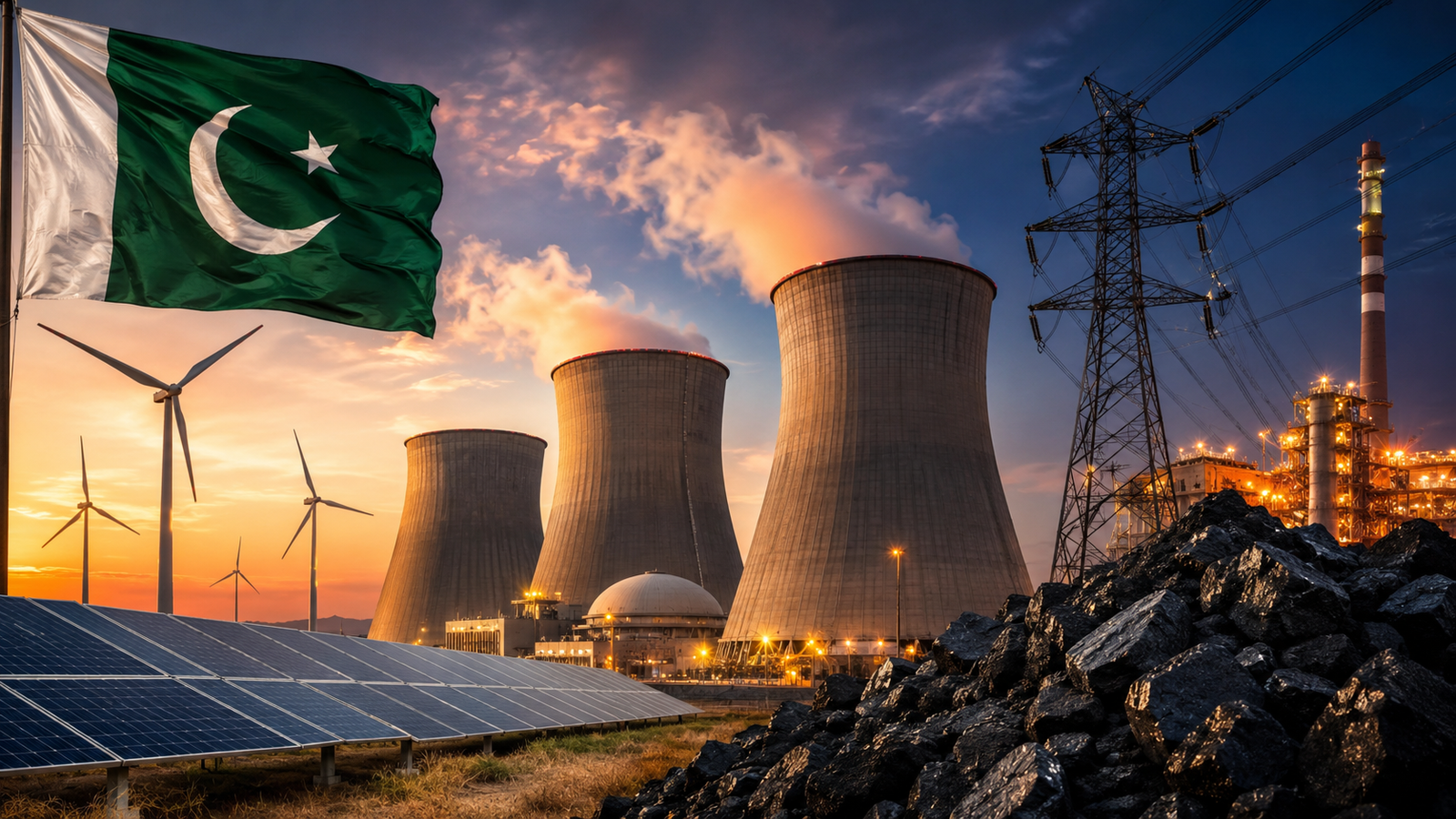
Pakistan’s electricity generation declined 9.7 percent year-on-year to 9,498 GWh in April 2026, although output recovered 6.3 percent compared to March, according to data compiled by Topline Research based on statistics released by the National Electric Power Regulatory Authority (NEPRA).
The drop was primarily driven by a sharp contraction in RLNG-based power generation, while rising output from nuclear and coal plants prevented a steeper decline and continued to reshape the country’s energy mix.
During the first ten months of FY26, total electricity generation reached 102,628 GWh, up 2 percent from 100,660 GWh recorded in the same period last year. Higher production from nuclear, imported coal, local coal, and gas-based plants offset declines in hydel, RLNG, and renewable generation.
Nuclear Emerges as Largest Power Source
Nuclear energy remained Pakistan’s largest source of electricity in April, generating 2,097 GWh, accounting for 22.1 percent of the total fuel mix, compared with 17.9 percent a year earlier.
Hydropower followed closely with 2,079 GWh, contributing 21.9 percent of total generation, though output declined 10 percent year-on-year due to lower water availability.
Local coal-fired plants produced 1,482 GWh, while electricity from imported coal rose 27 percent to 1,343 GWh. Combined, nuclear and coal accounted for 51.8 percent of Pakistan’s total electricity production during the month, highlighting a major structural shift in the power sector.
RLNG Generation Plunges 82%
Gas-based generation increased 15 percent year-on-year to 968 GWh, representing 10.2 percent of the fuel mix.
In contrast, RLNG-based electricity generation collapsed 82 percent to just 380 GWh, reducing its share to 4 percent from 20.5 percent a year earlier — one of the steepest declines recorded in Pakistan’s recent energy history.
The shortfall created by RLNG was largely absorbed by expanding nuclear and coal generation capacity.
Renewables Decline, Furnace Oil Returns
Among renewable sources, wind generation fell 14 percent year-on-year to 409 GWh, while solar output dropped 44 percent to 64 GWh.
Bagasse-based power increased sharply by 200 percent to 111 GWh, though its overall contribution remained limited at 1.2 percent of the fuel mix.
Furnace oil-based generation surged 483 percent to 486 GWh, raising its share to 5.1 percent, indicating temporary reliance on expensive backup generation amid fuel supply adjustments.
Energy Mix Shifts Toward Baseload Sources
Over the past year, Pakistan’s power composition changed significantly:
- Nuclear share increased by 4.2 percentage points to 22.1%
- Imported coal share rose by 4.1 percentage points to 14.1%
- Local coal contributed 15.6%, lifting total coal share to 29.7%
- RLNG recorded the steepest fall, dropping 16.5 percentage points to just 4%
The data confirms an ongoing transition toward baseload energy sources capable of providing stable generation amid volatile global fuel markets.
Electricity Generation Costs Decline YoY
Average fuel cost for electricity generation fell 5 percent year-on-year to Rs9.4 per unit in April 2026, compared with Rs9.9 per unit last year. However, costs rose 17 percent month-on-month from Rs8.1 per unit recorded in March.
For 10MFY26, average generation cost stood at Rs8.3 per unit, down from Rs8.8 per unit in the same period of FY25.
Hydel, wind, and solar remained the lowest-cost sources due to negligible fuel expenses. Nuclear power averaged Rs2.8 per unit, making it one of Pakistan’s cheapest large-scale energy sources.
Imported coal generation cost averaged Rs17.6 per unit, while gas and RLNG stood at Rs13.8 and Rs13.7 per unit, respectively. Furnace oil remained the most expensive mainstream fuel at Rs45.3 per unit.
Structural Transition Accelerates
April’s data highlights a deepening transformation in Pakistan’s power sector, where nuclear and coal generation are increasingly replacing RLNG as core electricity sources. The transition has helped maintain supply stability while keeping overall generation costs lower than last year despite ongoing global energy price volatility.