



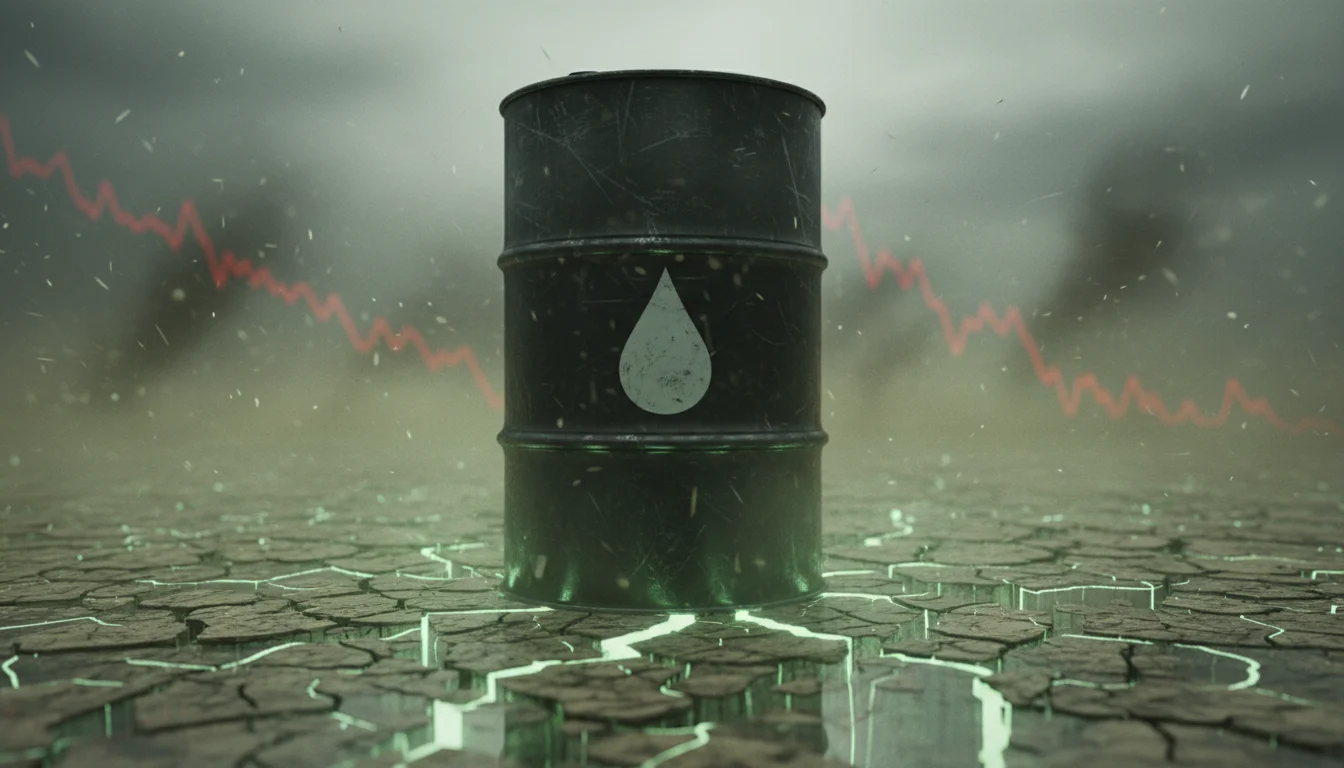
Officials briefed the committee, chaired by Syed Naveed Qamar, that international oil prices have already crossed $123 per barrel amid uncertainty caused by the Middle East war.
According to the briefing:
- Pakistan is currently facing an additional cost of $70 million per day due to higher oil prices.
- The country’s import bill has already increased by $4 billion in just two months.
- If the conflict continues, economic losses may reach $10–12 billion annually at current conditions.
- Over the next three months alone, losses could range between $24 billion and $32 billion.
- In a worst-case scenario — if oil rises to $150 per barrel and the war prolongs — Pakistan’s annual economic losses could climb to $50 billion.
Officials stressed that the final impact will depend on the duration and intensity of the conflict.
Exports, Remittances and Inflation at Risk
The committee was told that rising oil prices could trigger a broad economic shock:
- Export competitiveness may weaken due to higher production costs.
- Overseas remittances could slow amid global economic uncertainty.
- Inflationary pressures are expected to intensify significantly.
- Transport fares have already surged 40% to 100% across Pakistan.
- Business operating costs are rising rapidly, threatening industrial activity.
Officials warned that the real economic impact will become clearer in the next quarter, potentially disrupting Pakistan’s macroeconomic stability framework.
Energy Supply Disruptions Trigger Load Shedding
Supply disruptions of RLNG from Qatar and furnace oil shipments have begun affecting energy availability, leading to load shedding risks in Islamabad and other cities.
Early market closures caused by energy shortages and economic uncertainty are also expected to reduce government revenues, with an estimated Rs. 15–20 billion loss in tax collection.
Parliament Raises Alarm Over Rising Debt
The Finance Ministry informed lawmakers that Pakistan’s public debt has climbed to nearly 70 percent of GDP, exceeding the legally prescribed limit of 60 percent.
Committee members expressed serious concern over growing reliance on borrowing.
Chairman Naveed Qamar criticized the Federal Board of Revenue (FBR), stating that weak tax collection performance is forcing the government to depend on loans.
The committee recommended that any future increase in public debt should require prior parliamentary approval.