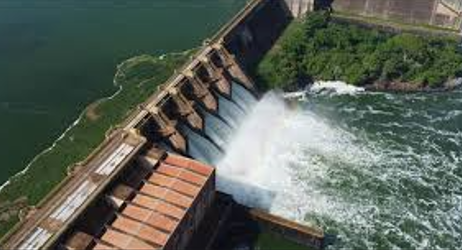
Load shedding across Pakistan eased significantly after a sharp increase in water releases from major reservoirs boosted hydropower generation, driving the national electricity shortfall down by more than 91 percent and pushing the deficit to below 400 megawatts — its lowest level in recent weeks.
Officials said water discharge from dams was raised to nearly 30,000 cusecs, compared with about 8,000 cusecs released earlier, triggering a rapid rise in electricity production from hydropower plants. The additional water flow lifted hydel generation by roughly 2,300 megawatts within a short span, increasing total output from around 1,800MW to approximately 4,100MW.
The surge in low-cost electricity helped stabilize the national grid and improved power transmission between regions, particularly allowing additional electricity to move from southern generating zones toward central demand centers. As supply conditions improved, the duration of load management dropped notably, with outages reduced from nearly six hours to around two-and-a-half to three hours in many parts of the country.
Energy officials indicated that continued agricultural demand for irrigation water could sustain higher dam outflows, potentially supporting further gains in hydropower production. They added that the expected availability of LNG supplies alongside stronger hydel generation may temporarily eliminate load shedding pressures and bring further stability to electricity supply in the coming days.
The sudden improvement underscores how fluctuations in water availability remain a critical factor influencing Pakistan’s power balance, where hydropower continues to play a central role in reducing electricity shortages and lowering generation costs.