




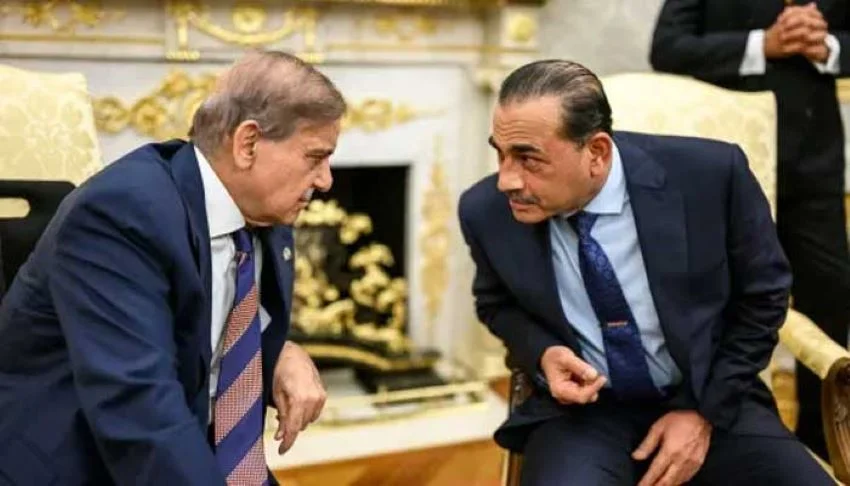
Pakistan, alongside Turkiye and Egypt, has played a central role in facilitating a five-day pause in US plans to strike Iranian energy and power infrastructure, officials said, marking a significant regional diplomatic effort beyond routine crisis management.
US President Donald Trump announced the temporary delay on Monday, stating that Washington had held “very good and productive conversations” with Tehran over the previous days, which could lead to a “complete and total resolution” of hostilities. The pause, however, is limited to Iran’s power plants and major energy assets, while fighting continues on multiple fronts.
Officials familiar with the backchannel described the de-escalation effort as substantive rather than symbolic. “Turkiye, Egypt and Pakistan are moving beyond rhetoric, proving that while many issue statements, these countries are walking the talk to bridge the gap between Washington and Tehran,” one source said.
Reporting by the Financial Times and Axios indicated that senior officials from the three countries separately engaged with US Special Envoy Steve Witkoff and Iranian Foreign Minister Abbas Araghchi, relaying positions between the two sides. No direct contact between Washington and Tehran has been reported.
Pakistan has acted as a mediator for some time, delivering messages between the US and Iran, but its diplomatic outreach intensified in recent days as the conflict approached a potential escalation over energy infrastructure and the Strait of Hormuz. Officials said the exchanges focused not only on the immediate pause but also on broader de-escalation, reopening of the Strait, and parameters for a longer-term resolution.
Publicly, Iran has denied direct or indirect negotiations with the Trump administration, framing the US announcement as an attempt to influence markets. Tehran maintains that any resolution must include guarantees against future attacks, reparations, recognition of its rights, and a framework for navigation through the Strait of Hormuz.
In Islamabad, officials framed the development as validation of Pakistan’s diplomatic approach. Prime Minister Shehbaz Sharif, in a telephone call with Iranian President Masoud Pezeshkian, expressed concern over “dangerous ongoing hostilities” and stressed the need for collective efforts toward de-escalation and dialogue. “He stressed upon the critical importance of unity in the ranks of the Ummah, that was required more than ever before,” the statement said.
Deputy Prime Minister and Foreign Minister Ishaq Dar also spoke with his Iranian counterpart Abbas Araghchi, emphasising the importance of diplomacy for regional peace and stability.
Reports suggest Islamabad could potentially host direct talks between US and Iranian representatives in the coming days, though no official confirmation has been issued. “If the parties desire, Islamabad is always willing to host talks,” Foreign Office Spokesman Tahir Andrabi told Dawn, reiterating Pakistan’s commitment to dialogue and regional stability.
The coordinated diplomatic effort highlights Pakistan’s growing role as a regional stabiliser, working alongside Turkiye and Egypt to reduce tensions and promote meaningful dialogue between the US and Iran.