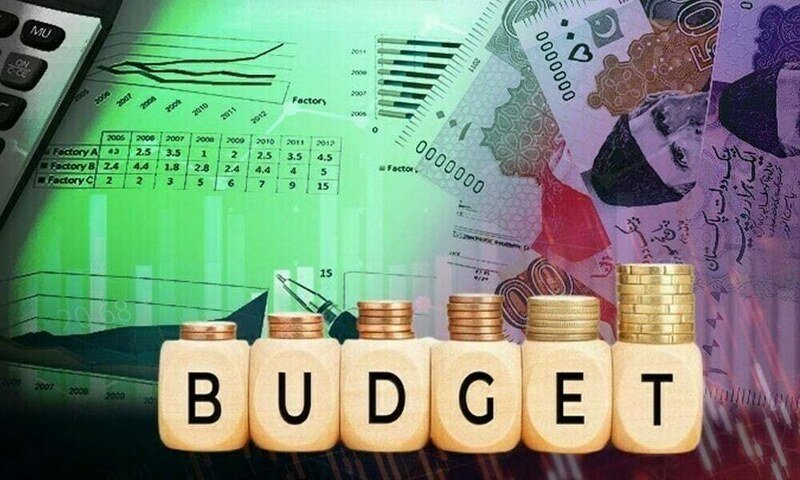
Pakistan will begin formal discussions with the International Monetary Fund (IMF) this week to finalize key elements of the upcoming federal budget before it is presented in parliament.
An IMF delegation is scheduled to arrive in Islamabad on Tuesday for negotiations expected to last about a week. The talks will focus on taxation measures, expenditure limits, and fiscal targets for the 2026-27 financial year.
Government officials are preparing proposals aimed at generating roughly Rs230 billion in additional net revenue to meet IMF programme requirements. Among the measures under review is a simplified tax framework for traders that would impose income tax equal to 1% of annual turnover. The scheme is expected to cover businesses with annual sales of up to approximately Rs300 million and introduce simplified tax filing procedures.
The IMF has asked Pakistan to present a fiscally disciplined budget. Authorities have already assured the lender that any tax reductions granted to salaried employees or businesses will be balanced through new revenue measures elsewhere to avoid reducing overall tax collection.
Prime Minister Shehbaz Sharif is seeking reductions in income tax rates for salaried individuals, particularly middle-income earners, along with gradual cuts in corporate taxation. Proposals being examined also include eliminating the super tax and removing the capital value tax, subject to IMF approval.
For the next fiscal year, Pakistan is targeting tax revenues of around Rs15.3 trillion. Under IMF benchmarks, the government must limit the fiscal deficit to about 3.5% of GDP while maintaining a primary surplus of roughly Rs2.8 trillion.
Officials indicated that a mini-budget could be introduced later if revenue performance falls short of expectations, highlighting continued pressure on public finances.
Spending controls will also remain tight. Growth in current expenditures is expected to stay within the projected inflation rate of about 8.4%, although spending on health, education, and social protection will continue to rise under programme commitments. Power sector subsidies are projected to remain capped at around Rs890 billion, including allocations to manage circular debt.
The Federal Board of Revenue will present detailed taxation proposals during the upcoming meetings, with further rounds of negotiations planned later this month as Pakistan seeks IMF approval before unveiling the national budget.