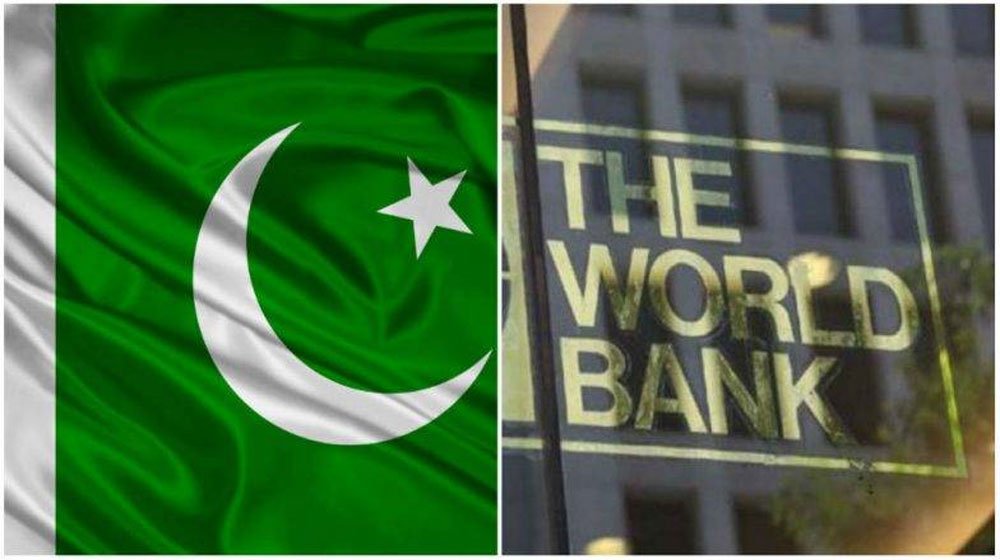
The World Bank has proposed a $600 million financing package for Pakistan that would require sweeping changes to business regulations, trade policies and investment rules, including removing wheat and sugar from the Import/Export Order, 2022, and allowing greater private sector participation in urea imports.
The proposed Pakistan Bold Reforms for Investment Driven Growth and Employment (BRIDGE) Programme aims to address structural barriers that have kept private investment at around 10 percent of gross domestic product (GDP) — less than half the level of regional peers. Foreign direct investment remains particularly low at approximately 0.6 percent of GDP.
A $1.19 Billion Reform Programme
According to official documents, the five-year initiative is designed to attract private investment, expand access to financing, improve export competitiveness and align workforce skills with market demand.
The programme carries an estimated total cost of $1.193 billion, comprising $600 million in proposed World Bank financing and $593.38 million from the government. It includes a $1.173 billion results-based component and $20 million for technical assistance. The operation is scheduled for approval in January 2027.
The Ministry of Finance will coordinate the programme, which comes as Pakistan seeks to move beyond macroeconomic stabilization toward sustained, investment-driven and export-oriented growth. The World Bank has identified complex regulations, limited financing, high trade costs and a mismatch between workers’ skills and employers’ requirements as major obstacles to productivity and investment.
Business Regulations and Trade Barriers Targeted
The programme’s first component seeks to reduce regulatory, financial and trade barriers by establishing the Pakistan Business Portal as a one-stop digital platform for business approvals and introducing a modernized Investment Act to strengthen investor protection and transparency.
Proposed reforms also include a unified corporate insolvency law, a dedicated factoring law and the full operationalization of the Export-Import Bank of Pakistan with a banking license and internationally compliant export credit and guarantee products. Trade measures would focus on reducing import and export clearance times and expanding internationally recognized accreditation for Pakistani businesses.
Wheat, Sugar and Urea Markets Face Changes
Agribusiness and therapeutic goods, including pharmaceuticals, are among the sectors targeted under the programme’s second component. The World Bank has proposed a single national system for approving seed varieties, greater private sector participation in urea imports, and removing wheat and sugar from the Import/Export Order, 2022.
The changes are intended to deregulate the two agricultural commodity markets and encourage private investment. The programme also seeks to boost pharmaceutical exports by helping the Drug Regulatory Authority of Pakistan achieve World Health Organization Regulatory Maturity Level 3 status and join the Pharmaceutical Inspection Co-operation Scheme — steps expected to open access to regulated international markets and multilateral procurement opportunities for Pakistani drug makers.
Workforce and Skills Reforms
The third component focuses on improving labor market efficiency and closing the gap between workers’ qualifications and employers’ needs. It proposes a national Labour Market Information System linking government databases, stronger vocational qualifications and digital migration services.
The programme also envisages Global Skills Partnership agreements to establish structured overseas employment pathways for workers holding internationally recognized qualifications. The World Bank noted that more than three million Pakistanis enter the labor market annually, underscoring the need to convert investment into productive employment. Women have been identified as a priority beneficiary group across all three components.
Aligned with URAAN Pakistan
The proposed financing is aligned with the government’s URAAN Pakistan economic transformation plan, which seeks to raise private investment to 15 percent of GDP by 2035.
Progress will be tracked through indicators covering business registrations, access to financing, trade clearance times, internationally recognized accreditation and vocational qualifications — with the stated goal of removing the barriers that have held back private investment and creating conditions for sustained growth and job creation.