The Sindh government has increased the minimum monthly wage for workers to Rs41,000, while presenting a Rs3.562 trillion budget for the fiscal year 2026-27 with no new taxes.
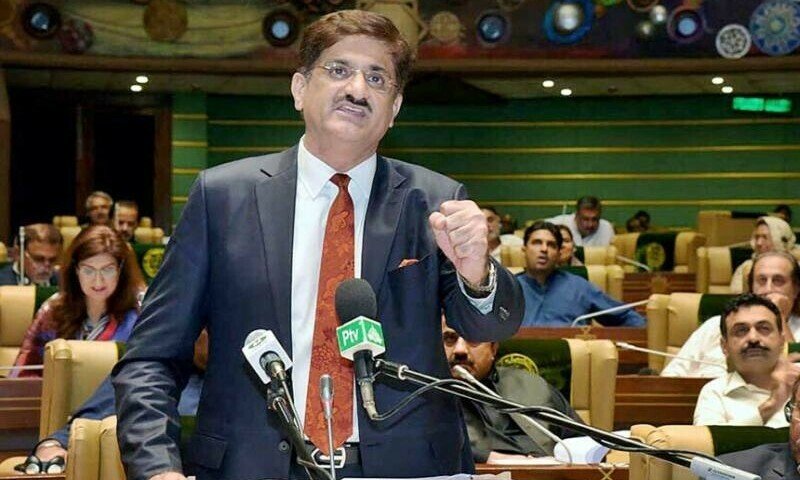
Chief Minister Syed Murad Ali Shah announced a 7% increase in salaries and pensions of government employees, calling the budget focused on relief, welfare, and economic stability.
The budget shows a Rs36.9 billion deficit, with total revenue estimated at Rs3.525 trillion.
Relief-focused spending plan
Key allocations include Rs620 billion for education, over Rs393 billion for health, Rs222 billion for law and order, Rs155 billion for municipalities, and Rs41 billion for agriculture.
A major development outlay includes Rs22 billion for Karachi’s Yellow Line project, along with funding for transport, municipal infrastructure, and water-related projects.
Tax relief and sector support
The government announced targeted relief measures, including:
- Reduced sales tax to 5% on educational support services
- Lower taxes for insurance agents and brokers
- Reduced agricultural super tax from 10% to 8%, with exemption threshold raised to Rs500 million
A Rs13.2 billion social protection package will fund programmes such as Benazir Hari Card, Kitchen Garden initiatives, and women agriculture workers’ support schemes.
Development priorities
The Annual Development Programme has been set at Rs400 billion, while major funds are also allocated for Thar coal, Lyari development, trauma centres, fire services, and Rescue 1122.
The chief minister said the budget prioritises public welfare, constitutional rights, and fiscal stability while maintaining a no-new-tax policy.