Pakistan’s oil industry has urged the State Bank of Pakistan (SBP) to extend a temporary import relaxation facility, warning that its expiry could expose the country to fuel supply disruptions amid persistent global uncertainty.
The Oil Companies Advisory Council (OCAC), which represents more than 30 oil marketing companies and refineries, has requested that the central bank prolong the relief for at least two months or keep it in place until international market conditions stabilize. The current facility is scheduled to expire on May 10.
Under the relaxation, companies are allowed to import petroleum products on a cost, insurance and freight (CIF) basis, a mechanism introduced to help the industry cope with sharply rising shipping risks and insurance constraints.
The SBP had initially granted the 60-day concession after oil firms highlighted growing difficulties in arranging marine and war risk insurance as geopolitical tensions escalated in the Middle East.
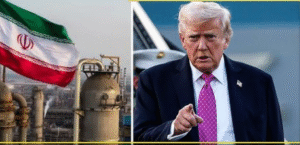
Industry officials say shipping routes passing through the Persian Gulf and the Strait of Hormuz have become increasingly vulnerable following heightened tensions involving the United States, Israel and Iran. Insurers have either reduced coverage or significantly raised premiums, while shipowners and suppliers have adopted a more cautious approach toward cargo movements in the region.
According to the council, the temporary facility played a critical role in enabling refineries and oil marketing companies to secure fuel cargoes during a period of exceptional market volatility.
However, OCAC warned that underlying risks remain largely unchanged. Insurance costs continue to stay elevated, freight rates remain high, and market participants are still factoring geopolitical risk into shipping decisions.
The industry cautioned that withdrawing the relaxation at this stage could disrupt procurement planning and strain fuel supply chains, particularly ahead of seasonal demand growth in the coming months. It emphasized that extending the facility would help maintain uninterrupted fuel availability while global conditions remain uncertain.