

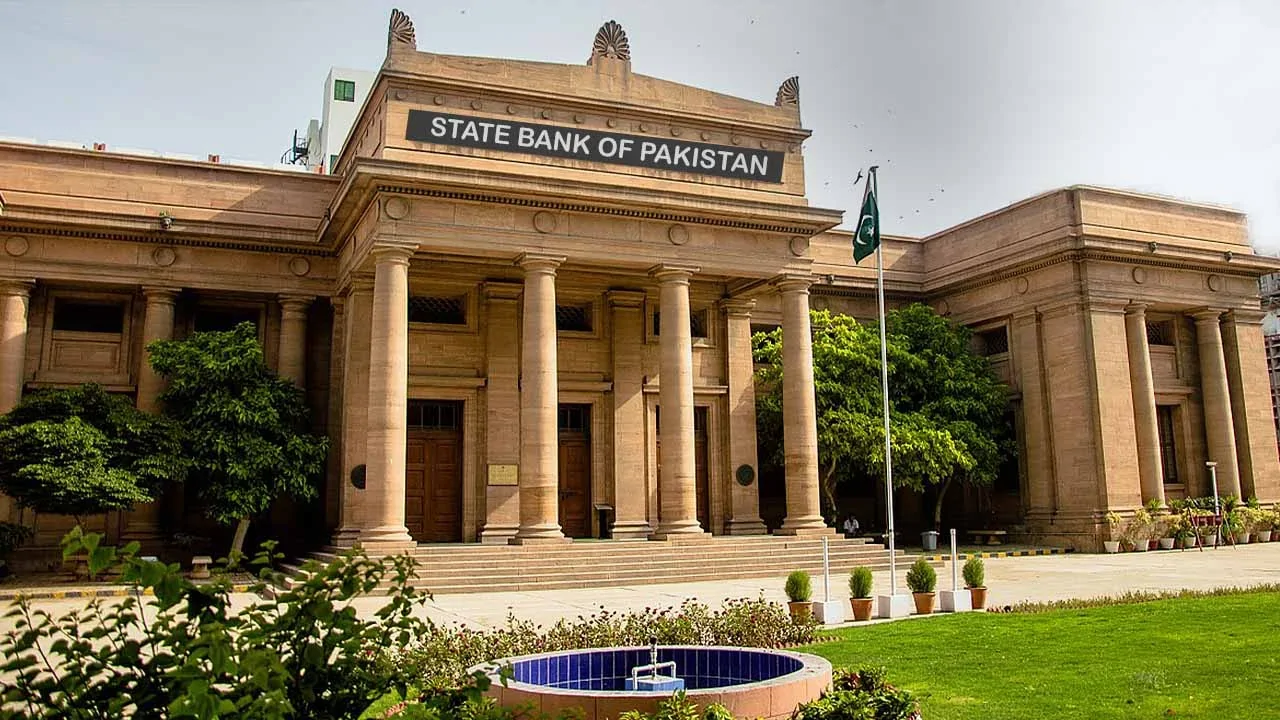
The State Bank of Pakistan (SBP) is set to hold its third Monetary Policy Committee (MPC) meeting of 2026 on April 27, with market expectations increasingly shifting toward a possible interest rate hike amid heightened regional tensions and rising oil prices.
According to a survey conducted by Topline Securities, 53% of participants now expect the central bank to increase the policy rate. Among them, the majority — 41.2% — anticipate a hike of 50 to 100 basis points, while 10% foresee an increase of 25 to 50 basis points. A smaller group, representing 2%, expects a more aggressive hike exceeding 100 basis points.
The remaining 47% of respondents hold a more cautious outlook. About 43% expect the policy rate to remain unchanged, whereas only 4% anticipate a rate cut of 50 to 100 basis points.
The latest survey marks a notable shift in sentiment compared with the previous poll, when 92% of participants expected no change in interest rates as geopolitical tensions had only recently emerged. Analysts attribute the change in expectations to persistently elevated global crude oil prices and uncertainty surrounding the duration of the ongoing conflict, which has now continued for nearly two months.
Topline Securities said it expects the SBP to raise the policy rate by 50 basis points in the upcoming meeting to absorb inflationary pressures stemming from higher energy prices, limit the spillover impact on other commodities, and help contain non-essential imports.
Regarding the expected duration of the conflict involving Israel, the United States, and Iran, 54.9% of survey participants believe the situation may take more than two weeks to resolve. Another 20% consider the conflict an evolving development with no clear timeline, while 26% expect a resolution within two weeks.
Secondary market indicators also point toward expectations of a modest rate increase. Yields on six-month Treasury bills and the six-month Karachi Interbank Offered Rate (KIBOR) are currently hovering around 11.22% and 11.44%, respectively, compared with the existing policy rate of 10.5%.
In recent weeks, both T-bill yields and KIBOR briefly surged to peaks of 11.78% and 11.79% before easing following the announcement of a ceasefire, suggesting markets are pricing in a smaller rate adjustment rather than an aggressive tightening cycle.