



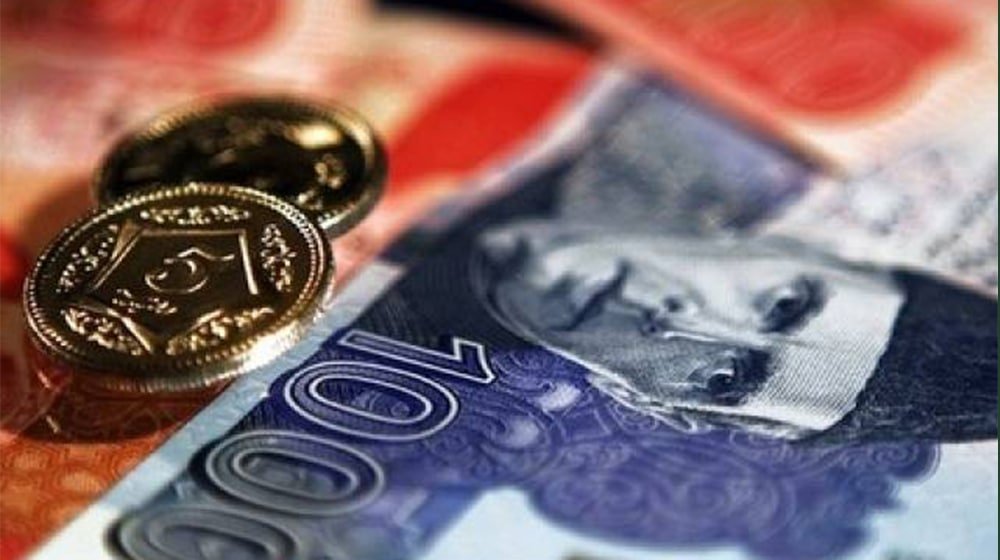
Pakistan’s Real Effective Exchange Rate (REER) climbed to 105.80 in April 2026, its highest level in seven years, compared to 104.29 in March, according to data from the State Bank of Pakistan and Topline Research.
REER measures the rupee’s value against major trading partner currencies after adjusting for inflation differences. A level above 100 indicates that the domestic currency is relatively stronger, which can reduce export competitiveness while making imports cheaper.
With the latest reading, Pakistan’s REER is now well above the long-term average of around 102.7, suggesting the rupee is significantly overvalued in real terms. The index has also remained above the 100 threshold for several consecutive months.
Topline Research noted that the current level implies the rupee is roughly 6% stronger than the base benchmark, which may increase pressure on export-driven industries such as textiles, leather, surgical goods, rice, and IT services.
The data shows a steady upward trend over the past two years, recovering sharply from levels near 86 in early 2023. April 2026 marks the highest REER reading since 2018.
While a stronger REER can help contain imported inflation by lowering the cost of oil, machinery, and raw materials, it can also hurt external competitiveness if it stays elevated for an extended period.
The recent increase comes amid relative stability in Pakistan’s external sector, supported by IMF-related inflows, improved remittances, rising foreign exchange reserves, and tighter currency market controls.