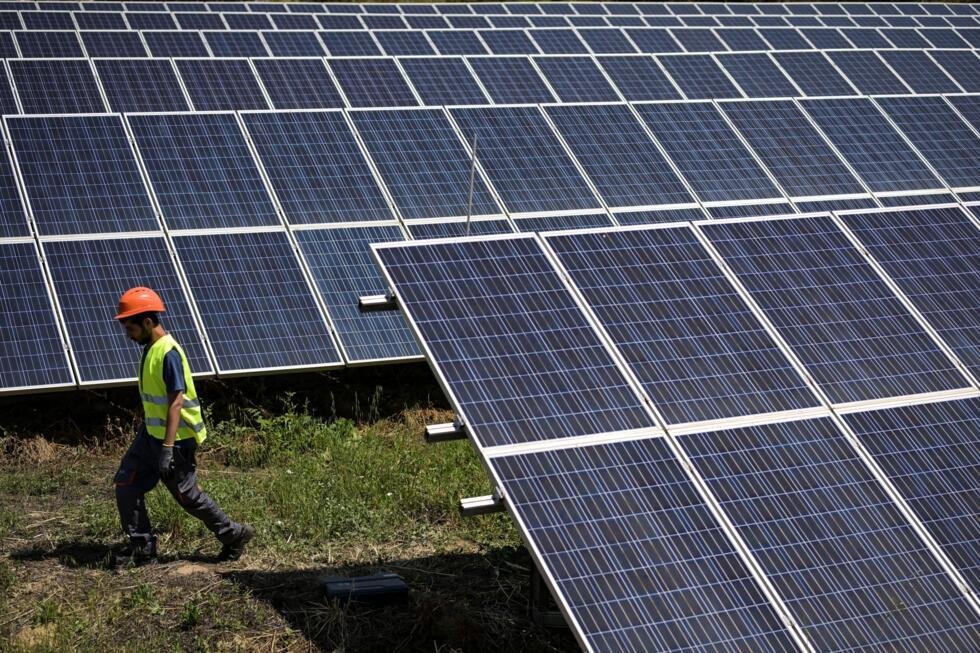
Pakistan’s solar adoption has suffered a major setback, with net metering units falling 27.2 percent month-on-month in August 2026 and reliance on the national grid increasing.
According to data from Arif Habib Limited, net metering units dropped 27.2 percent between July and August. Despite the monthly decline, net metering’s share of overall power generation increased by 10 basis points year-on-year in August.
Total electricity generation increased 5.1 percent year-on-year during the month, while the National Electric Power Regulatory Authority (NEPRA) expects power demand to rise 1.0 percent year-on-year in calendar year 2026.
The sharp monthly decline in net metering units comes as the contribution of solar power to Pakistan’s electricity mix faces a shift. Net metering output was lower than July, although its overall share remained above the level recorded a year earlier.
Pakistan’s rooftop solar market has expanded rapidly as households and businesses look for alternatives to expensive grid electricity. However, changes to the country’s net metering framework have reduced the financial incentive for consumers to export surplus electricity to the grid.
In February 2026, NEPRA introduced new prosumer regulations that replaced the previous net metering system with net billing. Under the new framework, electricity exported to the grid is credited separately from electricity consumed from the grid.