



Pakistan’s Ministry of Commerce and Ministry of Industries and Production have presented conflicting figures on industrial output and exports, prompting a parliamentary committee to demand a unified system for reporting the country’s trade and production data.
The disagreement emerged during a meeting of the National Assembly Standing Committee on Commerce, chaired by Javed Hanif Khan.
Trade Development Authority of Pakistan (TDAP) Chief Executive Faiz Ahmed Chadhar said the Industries Ministry should concentrate on reporting industrial performance rather than handling matters related to trade.
Commerce officials also challenged figures presented by Additional Secretary Industries Humaira Zia Mufti, who said the data had been obtained from the Pakistan Bureau of Statistics.
The committee directed both ministries to reconcile their figures and develop a consistent mechanism for reporting industrial production, export performance, and available exportable surpluses.
Committee Questions Sugar Import and Export Decisions
The committee also raised concerns over the government’s decision to import sugar last year before subsequently allowing exports of the surplus.
Commerce Ministry officials told members that Pakistan had imported approximately 300,000 tonnes of sugar after domestic prices increased. Around 200,000 tonnes were consumed locally, leaving about 100,000 tonnes available for export.
Meanwhile, officials from the Ministry of National Food Security and Research said sugarcane production had reached 97.28 million tonnes during the current year, with 89 sugar mills operating across the country.
The committee directed the ministry to submit five years of sugar and wheat import and export figures, along with details of their financial impact on the national exchequer and domestic market prices.
Pakistan Has $5.9 Billion in Untapped Export Potential
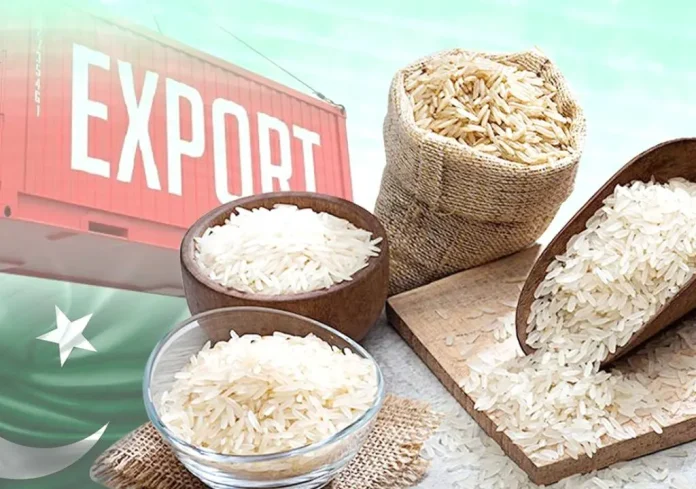
The committee also highlighted approximately $5.9 billion in untapped export opportunities across 20 product categories identified through an analysis by the International Trade Centre.
Members called for targeted strategies for these sectors to improve export competitiveness and expand Pakistan’s presence in international markets.
The committee unanimously approved the Anti-Dumping Duties (Amendment) Bill, 2026.
It also reviewed the Trade Organizations (Third Amendment) Bill, 2026, introduced by Dr. Farooq Sattar, particularly its potential impact on the Karachi Chamber of Commerce.
Members reiterated that chambers of commerce should follow a divisional-level rather than district-level organizational structure.
The proposed legislation was referred to the National Assembly Secretariat’s Legislative Drafting Branch for technical revisions before the committee considers it further.