



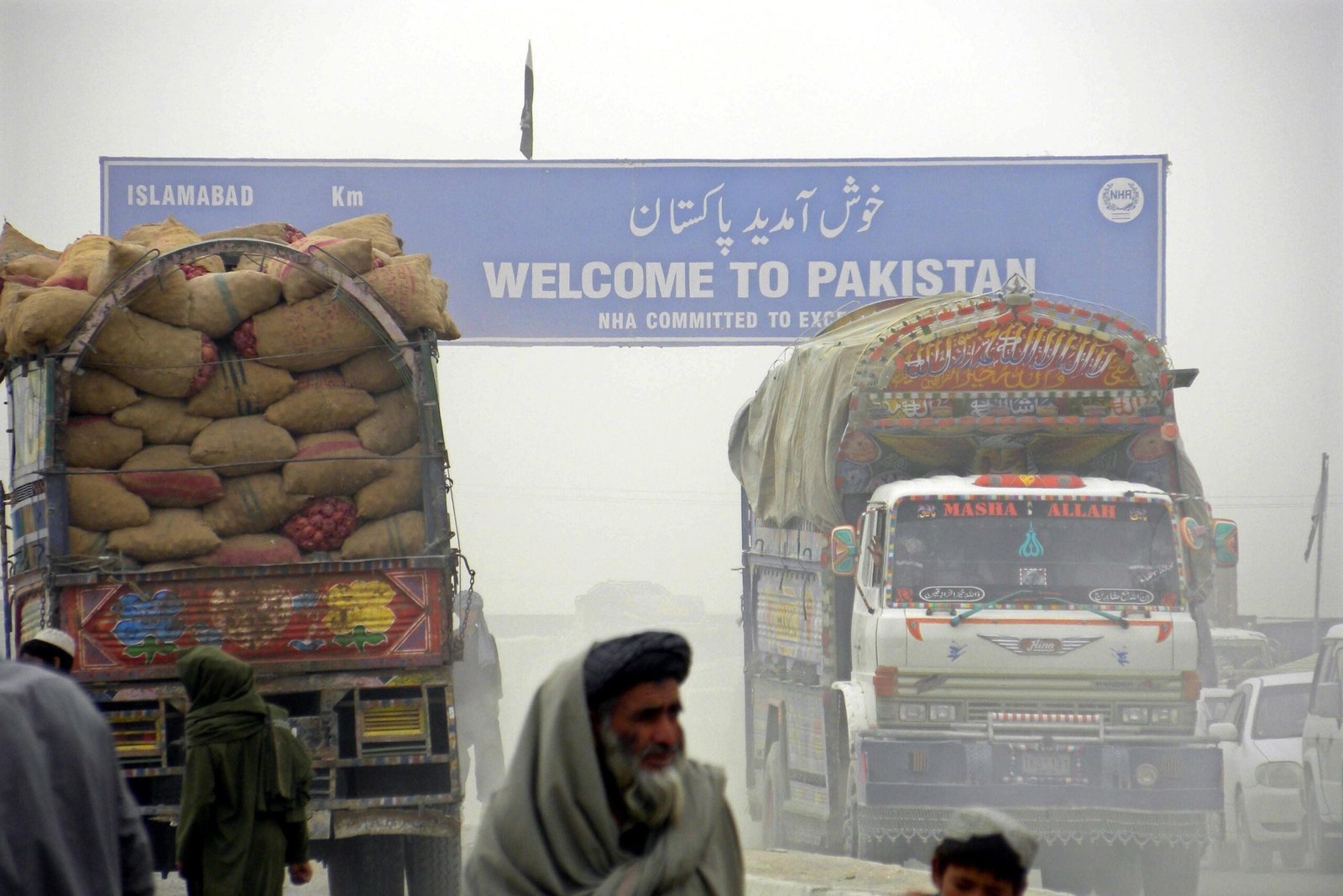
Pakistan has defended its decision to suspend bilateral and transit trade with Afghanistan on security grounds, despite acknowledging that the move has cost the country around $1 billion in exports and disrupted access to Central Asian markets.
Commerce Secretary Jawad Paul told the National Assembly Standing Committee on Commerce on Wednesday that the suspension was necessary to prevent further loss of human lives. However, lawmakers questioned the economic impact of closing trade routes, particularly the damage to exports and regional connectivity.
The meeting was chaired by Javed Hanif Khan, who reviewed the impact of regional trade disruptions on Pakistan’s export performance.
Regional Disruptions Cost Pakistan $387 Million
The Commerce Secretary said Pakistan’s total exports, including services, reached $40 billion in FY2025-26, while merchandise exports stood at approximately $32 billion.
He expressed confidence that merchandise exports would rise to $35 billion in FY2026-27. Monthly exports are currently averaging around $2.9 billion. He also projected that workers’ remittances could reach $55 billion following discussions with the State Bank of Pakistan.
Separately, Pakistan suffered an estimated $387 million in trade losses between July and October due to regional conflicts and disruptions. These included tensions involving Iran and the United States, as well as restrictions affecting trade with Afghanistan and Iran.
Trade with Gulf countries has also faced difficulties, although conditions are gradually improving. Shipping disruptions and higher port charges have increased exporters’ costs, particularly for meat and other commodities.
The government has arranged cargo vessels to maintain supplies to Gulf markets and facilitate exports.
Iran Sanctions Disrupt Pakistan’s Trade
Paul said international sanctions on Iran had made cross-border trade increasingly difficult, as banks were reluctant to process transactions because of potential sanctions violations.
The government also shut the Gabd-Rimdan border crossing over sanctions-related concerns. However, limited commercial activity between Pakistan and Iran continues.
Some LPG consignments have arrived from Iran, although concerns remain about possible supply disruptions. Pakistan’s LPG imports also increased during July-October.
To support exports to Central Asian countries through Iran, the government introduced an electronic form facility for Pakistani exporters.
A similar relaxation was introduced last year for orange and potato shipments passing through Iran to reduce potential sanctions-related risks for Pakistani businesses.
Meanwhile, Pakistani exporters of oranges and potatoes have also faced losses due to disruptions along Afghan trade routes, further affecting access to regional markets.