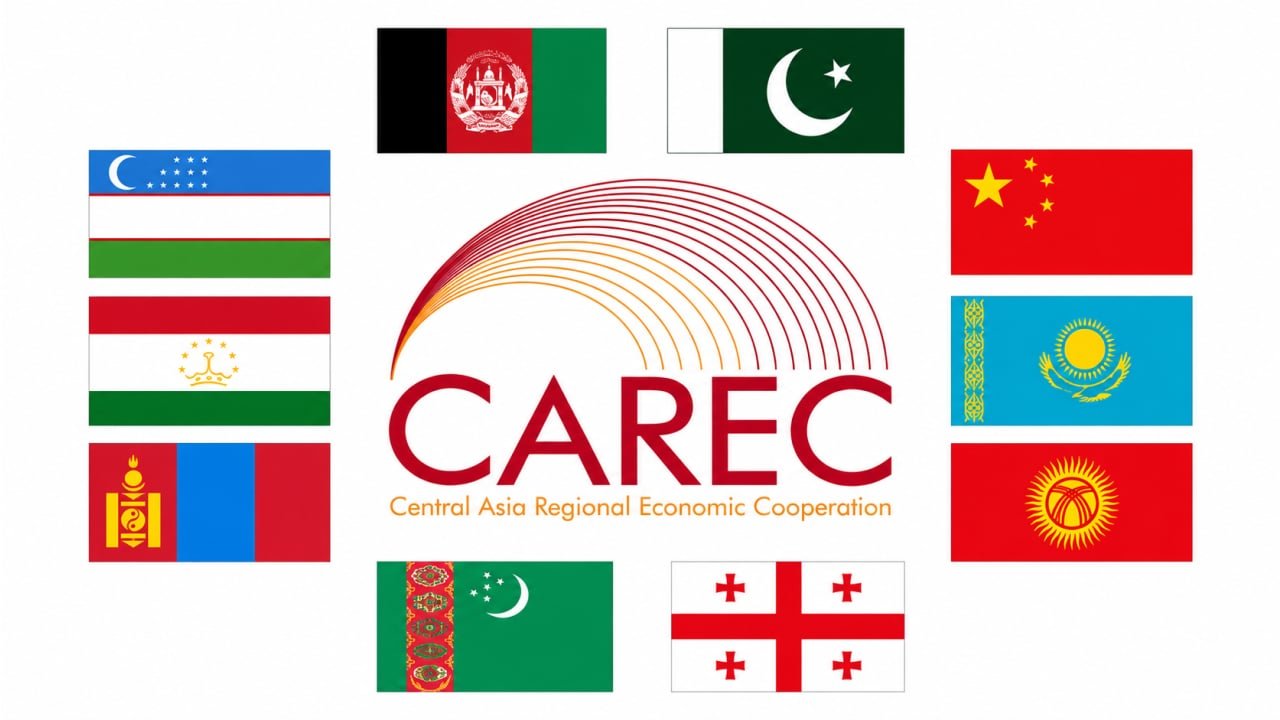
Pakistan plans to make knowledge exchange a major part of its agenda when it takes over the CAREC chairmanship in 2027, Planning Minister Ahsan Iqbal said during a meeting in Mongolia.
Speaking at the Governing Council meeting of the CAREC Institute in Ulaanbaatar, Ahsan Iqbal said regional cooperation should now move beyond physical infrastructure and trade links.
He said CAREC members should also benefit from each other’s experience, expertise and policy solutions.
The minister proposed a shared CAREC knowledge platform that would bring together regional data, policy tools, project assessments and examples of successful initiatives. An expert directory would also help policymakers connect with specialists from other member countries.
Ahsan Iqbal further suggested setting up a peer exchange mechanism for officials working on similar challenges. The initiative could cover areas such as trade facilitation, digital customs, logistics, renewable energy, agriculture, disaster management and skills development.
He said knowledge-sharing efforts should be linked directly to policymaking and produce practical results rather than remain limited to research.
The minister also called for greater cooperation among CAREC countries on border management, digital trade systems and climate-risk information.
Pakistan is set to assume the CAREC chairmanship in 2027. Ahsan Iqbal said Islamabad would work with member states, the CAREC Institute and the Asian Development Bank on trade facilitation, economic corridors, digital connectivity and climate resilience.
He also presented Pakistan’s Pakistan Single Window as a potential example for regional learning and said Pakistani universities and research institutions would be encouraged to join the CAREC knowledge network.
Ahsan Iqbal said the first 25 years of CAREC had demonstrated what member countries could build together, while the next phase should focus on what they could learn and achieve together.
He called for the CAREC Institute to become a regional hub that gathers, tests and shares knowledge and helps countries turn useful experience into practical policies.