



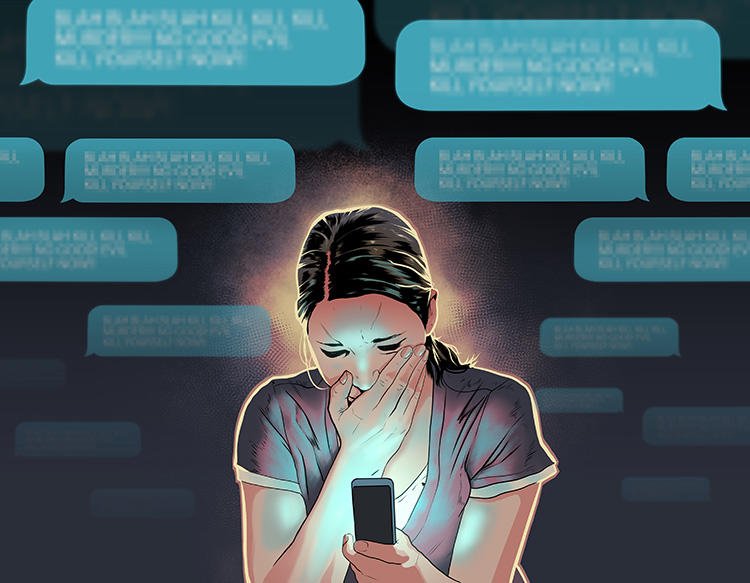
A new report by the Digital Rights Foundation (DRF) has revealed a sharp increase in digital harassment and online threats across Pakistan, with over 5,000 complaints recorded between May 2024 and December 2025.
The organization’s Digital Security Helpline documented 5,041 cases during the period, rising from 2,029 complaints in 2024 to 3,012 in 2025, indicating a significant upward trend in online abuse.
According to the findings, women and transgender women were disproportionately affected, facing high levels of sexual harassment, blackmail, and coordinated online abuse. Hacking was the most reported issue among this group with 531 cases, followed by image-based abuse and deepfake incidents (514 cases). Blackmail accounted for 500 cases, while threats reached 491 cases.
Other reported forms of abuse included sextortion, financial fraud, social engineering scams, and the non-consensual sharing of intimate content. The report noted that such tactics are often used to intimidate victims and restrict their participation in online spaces, particularly among marginalized communities.
In contrast, male users were more frequently targeted in financially motivated cybercrimes. Financial fraud was the leading complaint among men with 732 cases, followed by hacking and social engineering attacks. While men also reported cases of defamation and image-based abuse, the overall volume remained lower compared to women and transgender individuals.
The DRF warned that the impact of these abuses extends beyond financial loss and reputational harm. Many journalists, activists, and vulnerable individuals reportedly reduce their online presence, delete content, or shift to private communication channels to avoid further targeting.
The report described this trend as an “evidence paradox,” where severe harassment often becomes less visible publicly because victims are pushed offline or forced into restricted digital spaces.
It also highlighted structural challenges in digital safety, noting that many users rely on limited or free security tools due to the high cost of advanced protection systems such as VPNs and password managers.
The organization criticized social media reporting mechanisms, describing them as slow and inconsistent, often leading to user fatigue due to delayed responses and uneven enforcement.
DRF has called for urgent reforms, including gender-sensitive training for cybercrime authorities, improved platform accountability, and stronger safeguards to prevent the rapid spread of harmful content during investigations.