




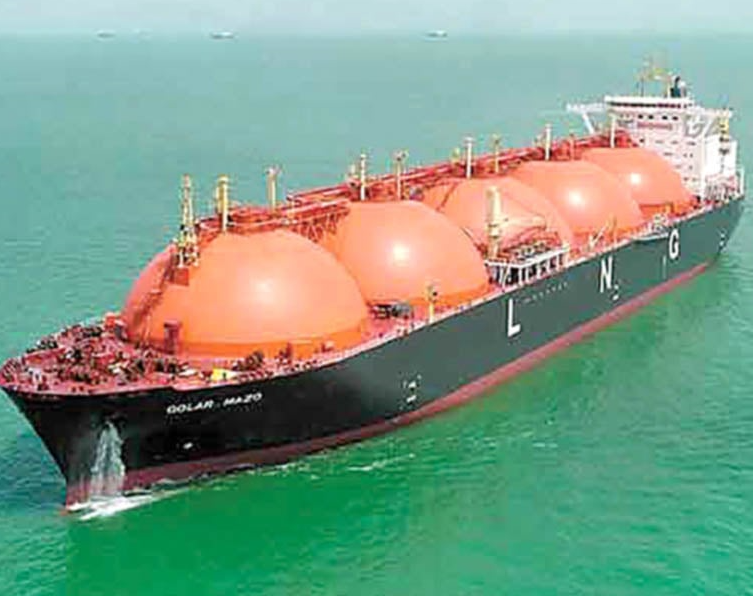
Pakistan has returned to the spot liquefied natural gas market for the first time since December 2023, seeking fresh cargoes as supply disruptions and rising electricity demand strain the country’s fuel position.
Pakistan LNG Limited has issued a tender for three LNG cargoes of about 140,000 cubic meters each for delivery between late April and mid-May at Port Qasim, marking the country’s first spot purchase attempt in more than two years.
The move comes as Pakistan faces fuel shortages linked to disruptions in global LNG supplies following tensions in the Middle East. Shipping constraints and reduced flows along key routes have affected LNG availability, adding pressure to the country’s power system.
Federal Energy Minister Awais Leghari said the tender was aimed at meeting rising electricity demand and reducing reliance on costlier fuels such as diesel and furnace oil. He also said there was uncertainty over the timing of future LNG cargoes from Qatar.
The tender follows recent power outages across the country, as lower hydropower generation and LNG supply disruptions exposed gaps in fuel availability during a period of increasing demand.
Pakistan has not received LNG shipments loaded after the escalation of conflict in the region, which disrupted shipping through the Strait of Hormuz, a vital global energy corridor. The route is critical for Qatar, Pakistan’s largest LNG supplier, which accounted for the bulk of the country’s LNG imports last year.
The supply uncertainty has prompted Islamabad to explore alternative options. Azerbaijan has indicated it is ready to supply LNG to Pakistan under an agreement signed in 2025, potentially allowing faster procurement if requested.
Pakistan had earlier canceled 21 LNG cargoes scheduled for 2026 and 2027 under a long-term contract, after expecting weaker demand because of growing solar power adoption. Recent supply disruptions, however, have challenged that assumption.
Global LNG markets have also tightened in recent weeks. Spot prices climbed to about $16.05 per mmBtu, up sharply from late February levels, though some easing has been seen more recently.