




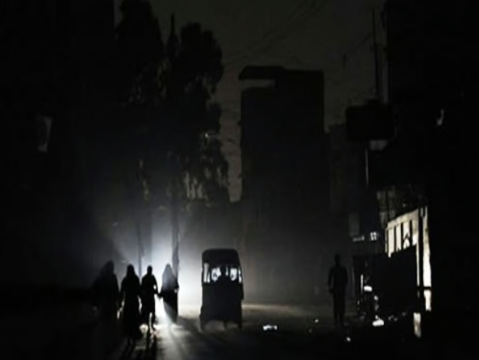
Pakistan faced additional load-shedding during nighttime peak hours after a delayed RLNG cargo caused a sharp drop in electricity generation, according to the Power Division.
The government said the shortage of RLNG reduced power generation by around 3,600 megawatts during the night peak, while generation from Mangla also fell by 195 MW.
To manage the supply gap, temporary load management of around 1.5 to 3 hours was carried out during peak nighttime hours.
The Power Division said furnace oil-based power plants were also operated during the peak period to help meet electricity demand.
The temporary power cuts are linked to the non-arrival of an RLNG cargo at the expected time. The government said load management would be reduced once the cargo reaches the port and RLNG supplies improve.
The development comes as parts of Punjab, including Lahore, face increased electricity load-shedding.
The Power Division, however, clarified that there is no load management during daytime hours because of the RLNG shortage. It said outages in areas affected by high distribution losses are being carried out according to their existing schedules.
The ministry has urged consumers to reduce unnecessary electricity use during nighttime peak hours to help ease pressure on the national grid.
The Power Division also apologised for the temporary nighttime load management, saying the situation was caused by the unavailability of RLNG.
The latest disruption has added to public frustration over electricity outages, particularly as consumers continue to face high power costs.
The government expects the situation to improve after the delayed RLNG cargo arrives and power generation returns to normal levels.