Dr. S. A. Prathapar, an ADB water management consultant, said modernizing Pakistan’s irrigation network required changes to the rules governing water distribution, alongside investment in physical infrastructure.
He explained that conventional indicators can show whether irrigation authorities delivered the planned quantity of water, but cannot necessarily establish whether crops received enough water to meet their needs.
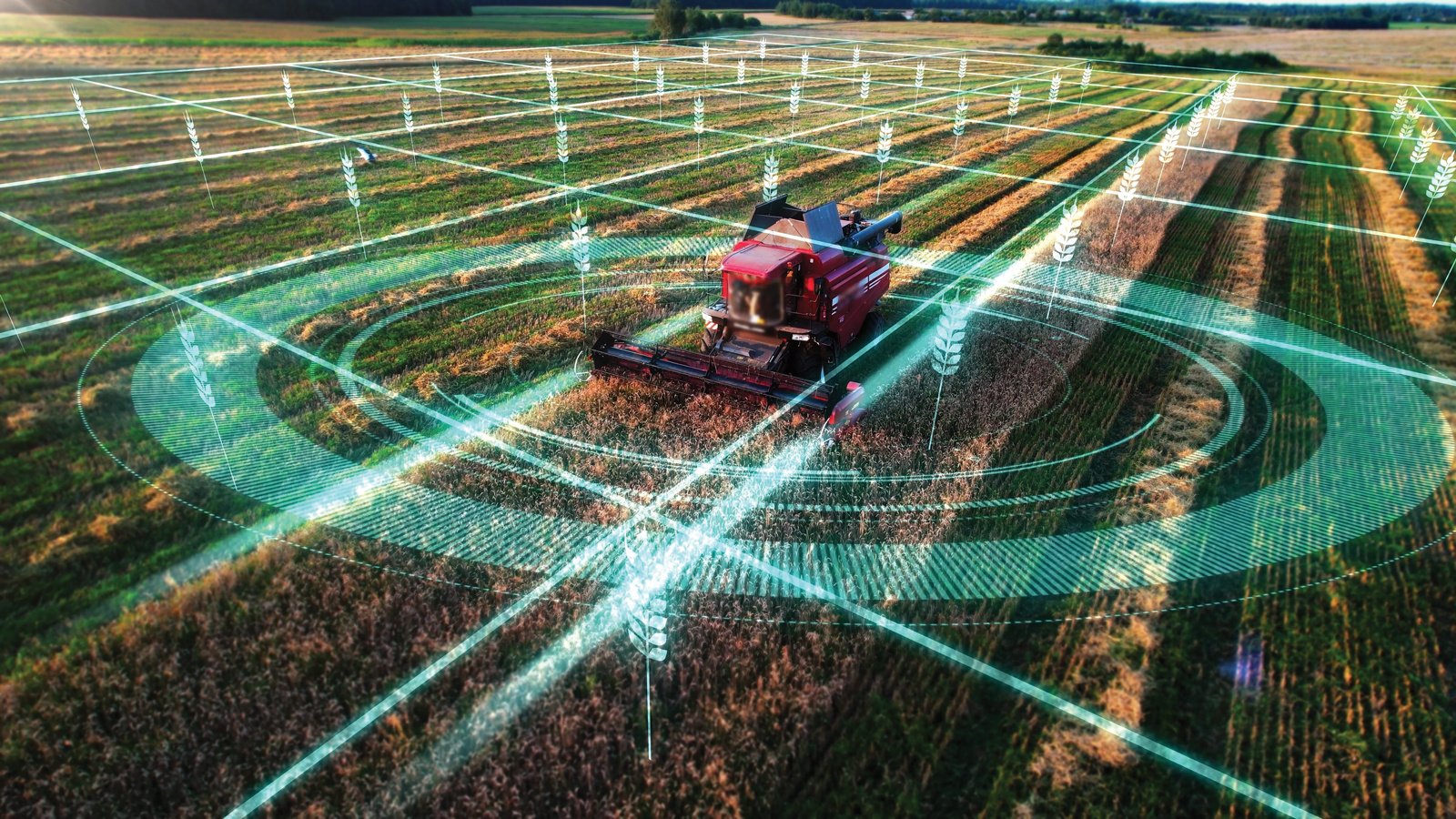
Satellite-based estimates of water deficits could help bridge that gap by providing information to guide future irrigation allocations.
Dr. Abubakr Muhammad of LUMS said Pakistan’s irrigation system was critical to food security and rural livelihoods but faced growing challenges from climate change, uncertain water availability and rising agricultural production costs, particularly energy.
He said satellite monitoring and decision-support tools could help irrigation managers make better-informed decisions based on water shortages at the field and canal levels.
Muhammad also emphasized that technology alone would not ensure fair distribution, saying water management decisions must account for social considerations and governance.
Ryutaro Takaku-Bessho, principal water resource specialist at ADB, said the bank was supporting improvements to Pakistan’s agriculture and water sectors, including measures to strengthen food security and resilience to climate risks.
Technical sessions at the workshop covered satellite-based estimates of crop water requirements, the near-real-time operation of RAM and its integration with the Punjab Irrigation Department’s Irrigation Decision Support System (IDSS).
Presentations were delivered by Waqas Karim Awan of FAO, Dr. Hassan Jaleel of LUMS and Dr. Athar Ashraf.
The event brought together officials from the Punjab Irrigation and Agriculture Departments, the Water and Power Development Authority (WAPDA), the Ministry of Water Resources, the Space and Upper Atmosphere Research Commission (SUPARCO) and the Pakistan Agricultural Research Council (PARC).
Participants discussed the possibility of expanding the system, including further validation, institutional arrangements and farmer engagement. They also considered incorporating rainfall forecasts to make irrigation recommendations more responsive to changing conditions.