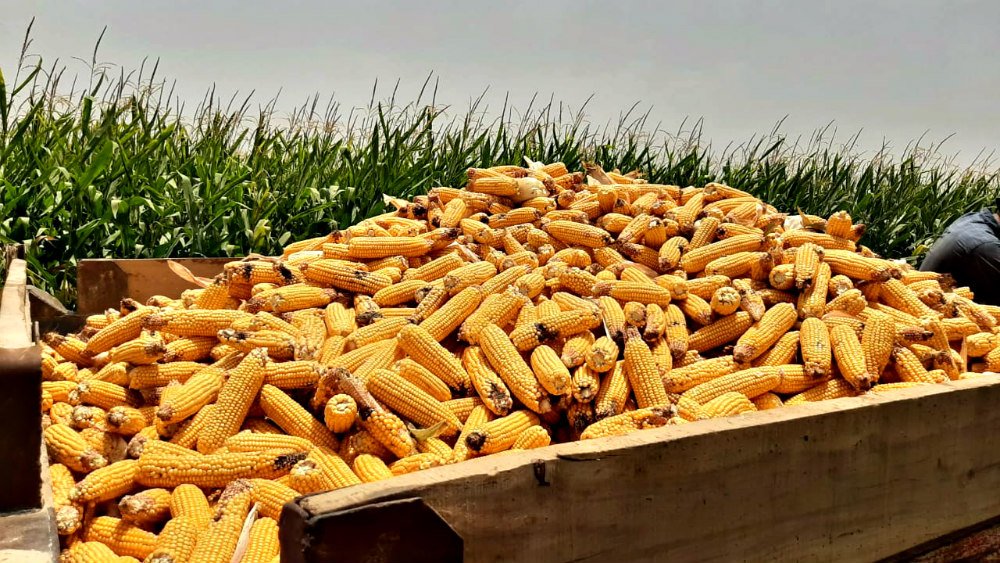
Average maize prices across Punjab have dropped by nearly 20 per cent over the past two months as weak export demand, subdued buying by feed millers and the arrival of the new crop continue to pressure the market.
An analysis of wholesale mandi rates in major maize-producing districts showed that average prices declined from around Rs. 3,000 per maund in late April and early May to nearly Rs. 2,400 per maund by the end of June.
The decline has been recorded across most key markets, including Faisalabad, Bahawalpur, Chichawatni, Dipalpur, Kasur, Multan, Muzaffargarh, Samundari, Sheikhupura, Arifwala and Bahawalnagar. Traders said most markets were now operating in the range of Rs. 2,300 to Rs. 2,500 per maund, compared with levels close to or above Rs. 3,000 per maund only a few weeks ago.
A commodity trading consultant said the main reason behind the price drop was the lack of strong export activity, particularly after disruptions in trade with Afghanistan.
He said the border situation had significantly affected exports, while the arrival of the new maize crop had increased supply in the market. At the same time, feed millers were not buying aggressively, which was keeping prices under pressure.
The consultant said demand could improve later this year as fresh investment in Pakistan’s poultry sector boosts feed consumption. However, he added that buying activity remained weak for now, indicating that pressure on prices was likely to continue in the near term.
Outside Punjab, maize markets in Sindh and Khyber Pakhtunkhwa are also facing weak sentiment, although the fall in prices has generally been less sharp than in Punjab. Traders attributed this to slower trading activity and the same export constraints affecting the wider market.