Pakistan’s domestic crude oil production rose to its highest level in more than two years in May 2026, reaching 71,563 barrels per day (bpd), reflecting stronger activity across the country’s oil and gas sector.
The increase was primarily driven by higher natural gas production after fewer output restrictions caused by RLNG shortages. Since crude oil and natural gas are often produced from the same reservoirs, increased gas extraction also lifted associated crude oil production.
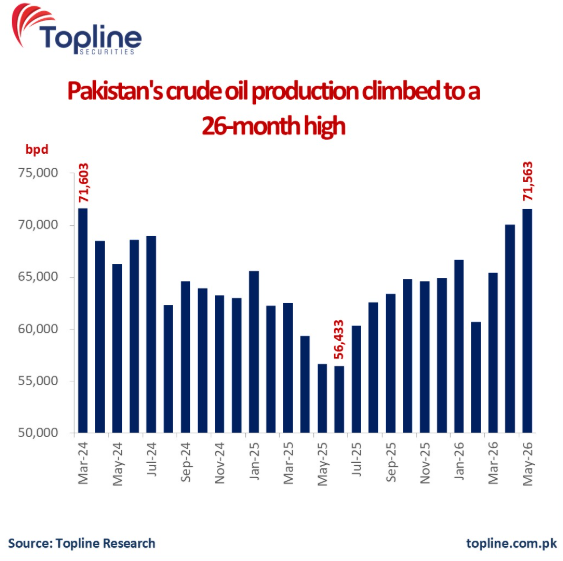
Domestic oil supplies received an additional boost from the start of production at newly developed fields, including Baragzai and Spinwam, helping push national crude output to a 26-month high.
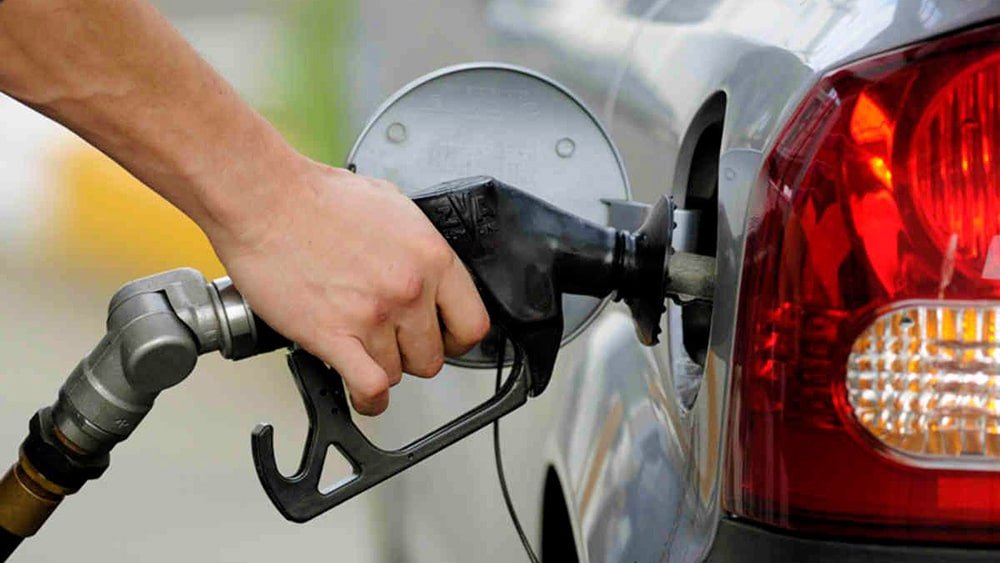
Despite the improvement, the rise in local production is unlikely to significantly reduce petrol prices. Pakistan continues to rely heavily on imported crude oil and refined petroleum products to meet domestic demand, meaning fuel prices remain largely influenced by international oil markets, the exchange rate, taxes, and the petroleum levy.
While the higher output strengthens Pakistan’s domestic energy production and helps reduce import dependence at the margin, local oil production still accounts for only a fraction of the country’s overall fuel requirements.