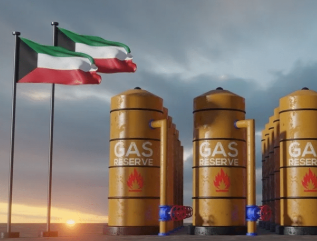
Pakistan and Kuwait have agreed to explore the development of strategic petroleum storage facilities in Pakistan as both countries aim to deepen cooperation in the energy sector amid regional instability and global supply chain disruptions.
The understanding was reached during a meeting in Islamabad between Petroleum Minister Ali Pervaiz Malik and Kuwait’s Ambassador to Pakistan, Nassar Abdulrahman Jasser Almutairi, according to an official statement from the Petroleum Division.
Both sides reviewed opportunities to expand collaboration in petroleum refining, fuel storage infrastructure, and long-term energy projects designed to enhance mutual economic and energy security benefits.
The discussions also covered the impact of ongoing tensions in the Middle East, particularly disruptions linked to the Strait of Hormuz, a critical global shipping corridor that handles a significant share of global oil and gas movement.
During the meeting, the petroleum minister expressed appreciation to Kuwait for its assistance in ensuring the safe delivery of the vessel Khairpur, which recently reached Pakistan carrying approximately 45,000 tonnes of diesel and 10,000 tonnes of jet fuel during a period of regional supply uncertainty.
He noted that the shipment was facilitated through special arrangements and close coordination between both governments after shipping disruptions raised concerns over fuel availability in Pakistan.
Pakistan currently imports over 60 percent of its diesel requirements from Kuwait under a long-term agreement between Kuwait Petroleum Corporation and Pakistan State Oil, making Kuwait a key energy partner for the country.
Earlier this year, Kuwait also extended its oil credit facility for Pakistan by two more years and reaffirmed its commitment to continued fuel supply support despite regional shipping challenges.
The Kuwaiti ambassador, meanwhile, appreciated Pakistan’s efforts for regional stability and de-escalation, stating that Islamabad’s diplomatic role during the crisis had strengthened its international standing, according to the Petroleum Division.