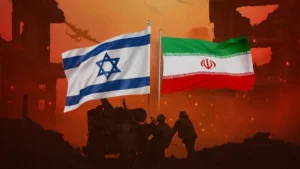




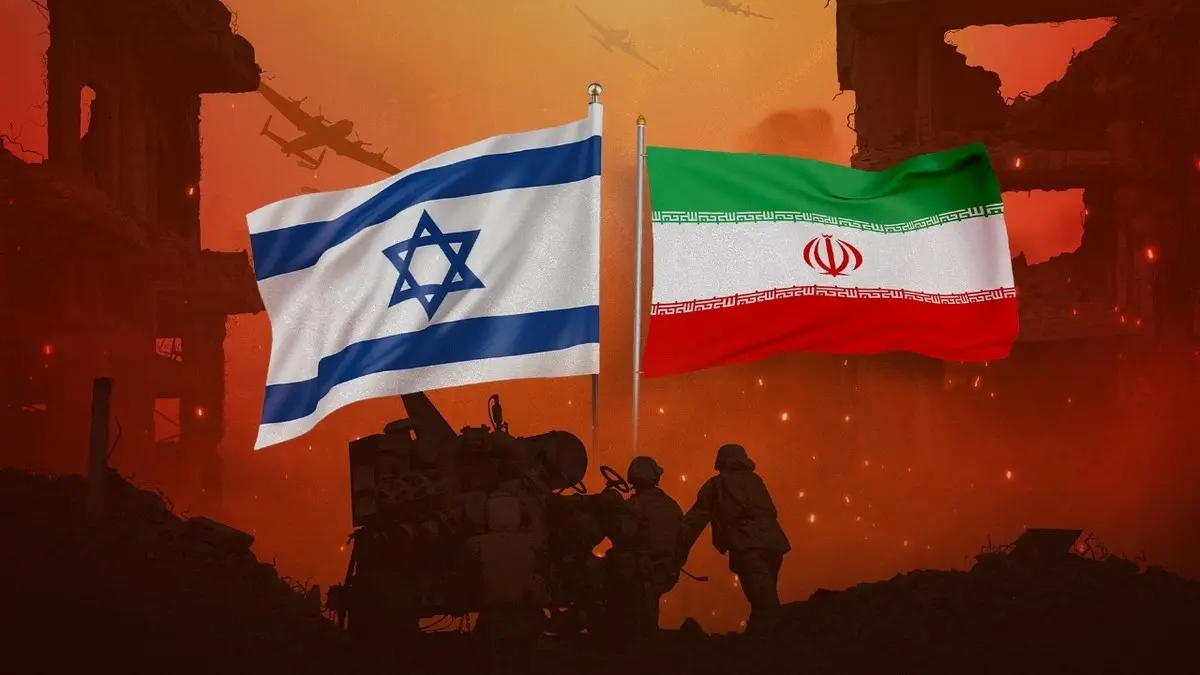
The US-Israel war on Iran could make it harder for Pakistan to roll over its debt and secure fresh financing, adding to the country’s economic pressures, according to the World Bank.
Pakistan needs external financing equal to around 15 percent of its gross domestic product every year. The report warns that the Middle East crisis could create difficulties in refinancing existing debt.
Debt rollover allows a country to replace maturing debt with new borrowing instead of paying the full amount immediately. If Pakistan faces difficulties securing rollovers, it could come under greater pressure to arrange alternative financing.
The report also warns that Pakistan’s energy import bill could rise by 30 percent because of the crisis. Higher energy costs could increase the country’s need for foreign currency and put further pressure on its external accounts.
Pakistan already relies on foreign financing to meet its external obligations. A combination of higher import costs and difficulties securing debt rollovers could make managing these obligations more challenging.
The World Bank expects the Middle East crisis to improve gradually by 2027, but regional uncertainty could continue to affect Pakistan’s financing needs.