Pakistan is preparing a major overhaul of its automotive and mobility framework, with new incentives for electric transport alongside a sweeping reduction in long-standing protectionist trade barriers.
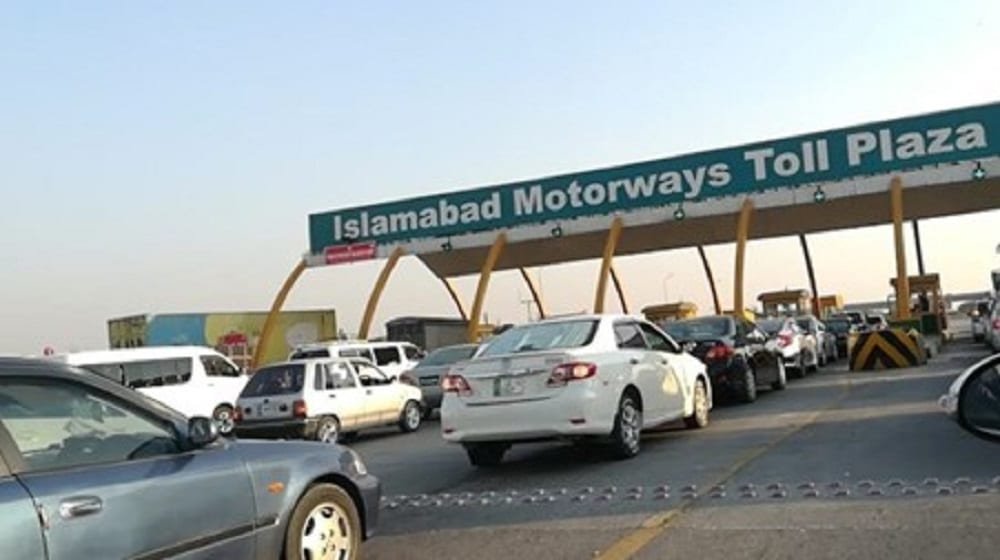
Under the Auto Policy 2026–31, the government plans to offer toll exemptions on motorways and national highways for New Energy Vehicles (NEVs), signaling a push to accelerate adoption of cleaner transport through direct cost relief for users.
At the same time, the policy lays out a phased dismantling of the country’s auto protection regime. Additional Customs Duties (ACD) will be fully phased out by FY2029, while Regulatory Duties (RD) will be reduced by 80 percent by FY2030. All SRO-based concessions, long seen as a complex layer of discretionary protection, are also set to be eliminated by FY2030.
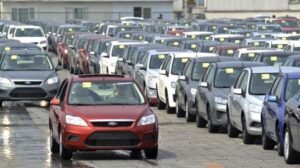
The reform path also targets import and assembly structures. Duties on Completely Built Unit (CBU) vehicles, currently ranging between 50 to 100 percent, will gradually come down to 35 to 75 percent over five years. For Completely Knocked Down (CKD) kits used in local assembly of cars, SUVs, and minivans, tariffs will be reduced from 30 percent to 20 percent over the same period.
The policy aligns with the National Tariff Policy 2025–30, which aims to bring the weighted average applied tariff below 6 percent by FY2030. Alongside liberalization, NEV incentives will be tied to localization requirements, ensuring that benefits for electric mobility also support domestic manufacturing capacity rather than relying solely on imports.