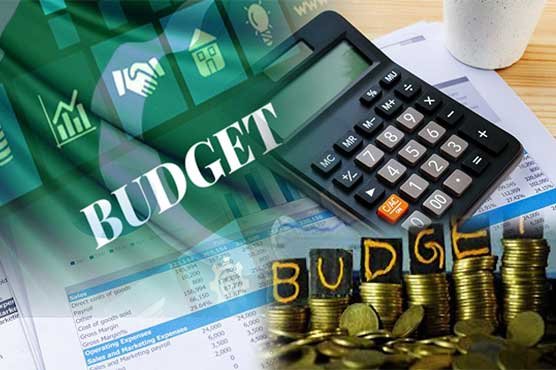
Pakistan is finalizing preparations for its upcoming federal budget, expected to be presented in the first week of June, with policy directions increasingly shaped by commitments under the country’s program with the International Monetary Fund (IMF).
According to government officials, the new budget will prioritize fiscal consolidation and economic stability, aligning key measures with IMF requirements tied to the ongoing financial arrangement.
One of the few relief measures under consideration is targeted support for the salaried class. Authorities are reviewing possible tax adjustments to ease the burden on fixed-income earners. A gradual reduction in the super tax is also being discussed, though any decision will be taken in consultation with the IMF.
The budget is expected to introduce sweeping tax reforms aimed at broadening the revenue base. Officials plan to eliminate various income tax and sales tax exemptions across multiple sectors as part of efforts to create a more uniform taxation system. No new exemptions are likely to be granted, including for special economic zones, while previously approved concessions for such zones may also be withdrawn.
Authorities are also considering restricting the sale of goods produced in export processing zones within the local market. In addition, the establishment of new economic zones is expected to remain limited for now, reflecting a cautious industrial policy amid fiscal constraints.
Energy sector reforms will remain a central feature of the budget framework. Regular and timely adjustments in electricity and gas tariffs are expected to continue in line with IMF recommendations, aimed at reducing subsidies and containing the buildup of circular debt.
To provide support for low-income households, the government has proposed increasing payments under the Benazir Income Support Programme (BISP). The stipend may rise by Rs. 5,000, taking quarterly payments from Rs. 14,500 to Rs. 19,500, depending on available fiscal space.
The Federal Board of Revenue (FBR) is set to strengthen and centralize its audit system to improve enforcement and tax compliance. Meanwhile, authorities plan to establish a Pakistan Regulatory Registry by 2027 to streamline regulations and improve the overall business environment.
As part of broader economic reforms, the government also intends to gradually ease foreign exchange restrictions to facilitate investment flows and enhance market confidence.
Overall, the forthcoming budget reflects an attempt to balance IMF-backed structural reforms with limited relief measures, signaling tighter fiscal management alongside efforts to stabilize the economy and restore investor confidence.