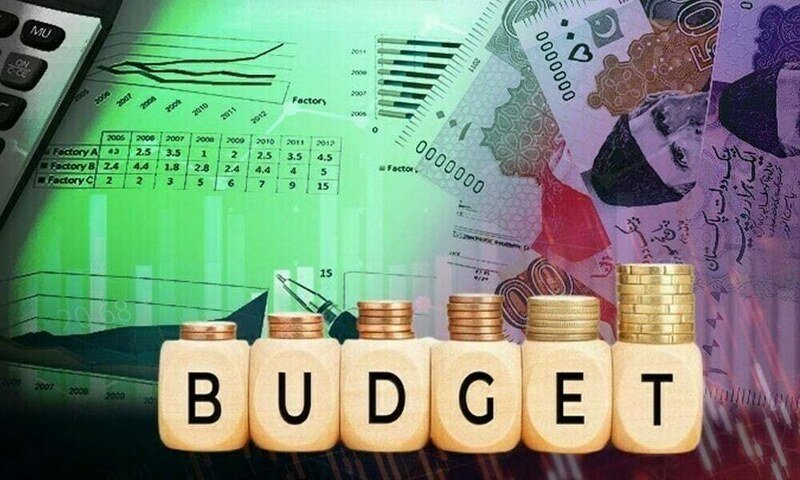
The federal government is preparing to unveil a major tariff relief package in the FY2026-27 budget, with the aim of lowering the cost of industrial raw materials and imported inputs used by local manufacturers.
The proposed measures, part of the National Tariff Policy 2025-30, are expected to provide relief of around Rs200 billion to industry and ease pressure on sectors struggling with high production costs.
Under the proposed package, the government plans to reduce or abolish Additional Customs Duty (ACD) on thousands of imported items used in manufacturing.
According to available details, 2 percent ACD will be fully abolished on 518 tariff lines that currently fall under the 15 percent customs duty slab. Likewise, 4 percent ACD will be cut to 2 percent on 2,166 tariff lines carrying 20 percent customs duty. In addition, 6 percent ACD will be reduced to 4 percent on 465 tariff lines where customs duty is above 20 percent.
Overall, the ACD reductions will apply to 3,149 tariff lines, mainly covering industrial raw materials, intermediate goods, and manufacturing inputs.
The government is also planning significant reductions in Regulatory Duties (RD). Under the proposal, the maximum RD is expected to be brought down from 50 percent to 20 percent on around 1,948 tariff lines, while average RD rates may fall by nearly 20 percent.
The relief measures are expected to benefit a range of sectors, including textiles, engineering, chemicals, plastics, iron and steel, pharmaceuticals, auto parts, batteries, and other export-oriented industries.
Officials say the tariff cuts are aimed at reducing the cost of imported materials for local manufacturers, lowering production expenses, improving efficiency, and making Pakistani products more competitive in international markets.
The reforms are part of the government’s broader strategy under the National Tariff Policy 2025-30, which envisages the gradual elimination of Additional Customs Duties over four years and Regulatory Duties over five years.
The policy is also designed to simplify Pakistan’s tariff structure, lower protection levels, and promote export-led growth by integrating local industry more effectively into global value chains.
If approved in the budget, the package is expected to provide substantial relief to manufacturers at a time when industries are facing rising input costs and growing pressure to remain competitive.