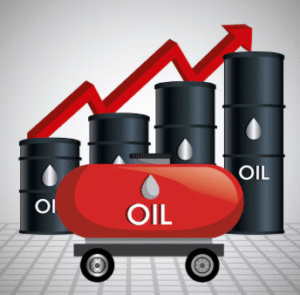





Goldman Sachs has raised its forecast for Brent crude oil, expecting prices to average $105 per barrel in December 2026, compared to its previous estimate of $90.
The revised forecast represents an increase of nearly 17 percent, as the investment bank sees growing risks to global oil supplies.
According to Bloomberg, Goldman Sachs has also increased its 2027 Brent price forecast to an average of $88 per barrel, up from $80 previously.
Other Banks Also Expect Expensive Oil
Other major financial institutions have also revised their oil price expectations upward.
ANZ increased its Brent forecast by 10 percent last week and now expects prices to reach $105 per barrel by the end of 2026. UBS has set its year-end forecast at $110 per barrel.
ANZ analysts said that several months of adjusting to disrupted supplies from the Middle East had weakened the buffers that initially helped absorb the supply shock.
The higher projections come despite reports that oil shipments through the Persian Gulf have recovered to pre-war levels.
Goldman Sachs had previously warned in September that Brent crude could climb back to $120 per barrel.
Peace Deal Remains Key to Lower Oil Prices
Analysts believe a lasting diplomatic agreement between the United States and Iran would be necessary to bring oil prices down significantly.
Goldman Sachs analyst Daan Struyven said markets would need a sustainable diplomatic solution before the additional risk premium could disappear quickly.
However, the likelihood of such an agreement before the end of 2026 remains limited, despite recent discussions between Iranian and Qatari officials over a possible settlement.
What Higher Oil Prices Mean for Pakistan
Higher international oil prices could create fresh difficulties for Pakistan, which relies heavily on imported petroleum to meet domestic demand.
If Brent reaches $105 per barrel, the country’s import bill could come under additional pressure, making it more difficult to keep petrol and diesel prices stable.
The government recently reduced the petroleum levy to prevent an increase in domestic fuel prices. It also introduced a mechanism requiring refineries to return additional earnings to the government, allowing the money to be used to reduce the levy.
However, a sustained increase in global crude prices could make it increasingly difficult to maintain unchanged fuel prices without further adjustments to government revenue or other petroleum-related charges.